

Somewhere between black tea and green tea you’ll find the wonder that is oolong tea. Oolong is a tea in the truest, most traditional sense since it comes from the Camellia sinensis plant. But due to its unique processing method, it sits in a category all its own. No other tea is quite like oolong–both in its mysterious shroud of origin as well as in its broad spectrum of taste.
History of Oolong Tea
The name oolong (Wu-lung) is transliterated from two Chinese words which mean ‘black dragon’. Stories vary as to how this name came about. Some say the tea gets its name from how the long, dark leaves seem to resemble a dragon dancing in the water as they unfurl. Others say that deep in the misty mountains of the Fujian province of China, a tea farmer named Sulong or Wulong discovered it by accident. The story goes that one day, he was distracted during a long day of picking by a deer. By the time he had returned home, he found that his withering tea leaves had already started to oxidize, thus creating oolong tea. Still others say that the name comes as a re-brand of Dragon-Phoenix tea cakes offered to the emperor as tribute when they transitioned to loose leaf form, since ‘oolong’ means ‘black dragon’. Alas, oolong’s true origins remain as shrouded in mist as the mountains from whence it comes.
While the exact method or time of discovery isn’t known, sometime during the Ming dynasty (1368-1644) this extraordinary tea began to make itself known across China. During the Qing dynasty, the emperor was introduced to this tea, which was named Ti Quan Yin, or Iron Goddess of Mercy, after the compassionate goddess Guanyin. He became enamored with its beauty and the tea was soon highly sought after by the emperor, his court, and the rest of China. In the 19th century, seeds made their way over to Taiwan and oolong tea found yet another home for cultivation. By the mid-1900s, oolong tea production was in full swing, being exported globally. Today, oolongs are cultivated in several different places, but the most highly-regarded ones come from China and Taiwan.
Oolong Tea Processing
Oolong is like the Goldilocks of teas when it comes to its processing. Black tea is fully oxidized–meaning, its leaves have fully undergone a chemical reaction with oxygen, transforming their flavor, aroma, and turning them into their familiar black color. Green tea is hardly oxidized at all, hence its green color. But oolong tea sits right between the two because it is semi-oxidized.
To understand oolong, you have to first understand how tea is processed in general. It goes like this: once harvested, the leaves of the Camellia sinensis plant are tossed and spread out for several hours to begin the withering process. In withering, the leaves start to wilt and lose their moisture content. Next, they are rolled, a process where the leaves are intentionally bruised to break down their cell walls and begin releasing the juices and enzymes which react with oxygen to create flavor compounds in the next step which is, you guessed it: oxidation! Here, the leaves are exposed to air for a certain period of time, allowing for this chemical reaction to occur. In black tea, this phase is prolonged; in green tea, it’s nearly non-existent. Once again, oolong is somewhere in-between.
This is where the craziest disparity on the tea spectrum occurs. Depending on the region it’s grown and the tea master (an expert in all aspects of tea production) who is processing it, the oxidation, flavor, and appearance of oolong tea can vary wildly. First, oolong tea leaves can be oxidized anywhere from 8-80%! Oolongs from Taiwan, for example, tend to be much less oxidized than those from China, resulting in two very different flavor profiles. Oolong tea can be light or full bodied, floral or grassy, toasty or sweet. In terms of appearance, there is a range as well. Oolong leaves can be green or yellow or brown. Adding to the disparity is the style of leaves. Oolong teas can be rolled into balls or twisted into long strands, again, depending on the tea master. Clearly, this is not a ‘tried one, tried them all’ type of a situation. The difference from one oolong to the next is truly a thing to behold and leaves room for a lot of exciting flavor possibilities.
The last step following oxidation is that of heat-drying. For oolong, this can be done with a wok or some other heating means, but often it’s done over charcoal, giving the leaves a distinctive finish. However it’s done, this final step stops the oxidation process, dries out the leaves, and imparts some additional flavor characteristics.
Health Benefits of Oolong Teas
Oolong has been praised for several of its health benefits. Studies have suggested that its antioxidants might strengthen teeth and bones, promote healthy skin, and possibly even lower the risk for certain cancers, strokes, and heart disease. Its caffeine content helps with mental alertness. And oolong teas have been prized for centuries for their ability to help with digestion, cure headaches, and have a cleansing effect on the body.
Whatever their actual health benefit, we know one thing for sure: oolong teas are a beautiful example of artisan craftsmanship. From the first pluck to the final charcoal finish, these teas are completely unique–both from other teas and one another.

keep reading tea articles

Although tea itself is originally from China, the first tea party was hosted in England. In 1662 Catherine of Braganza, the wife of King Charles II, hosted the first ever tea party on record following the marriage of her and...

The History of the Teahouse Part 1 | Asia
China The teahouse in China may date as far back as the Tang Dynasty. Historians regard the Tang Dynasty as the golden age of Chinese Civilization. It's considered the golden age of culture, which explains why teahouses as places to...

The History of the Teahouse Part 2 | European Teahouses
Tea is such an integral part of the culture in England that you would think drinking tea socially while gathering with friends must have originated there. Where else do you find a culture where you know what time it is...
Read moreabout The History of the Teahouse Part 2 | European Teahouses

The History of the Teahouse Part 3 | Evolution of the U.S. Teahouse
It's no surprise that there would be British influence in the U.S. Tea industry, but it never became engrained in Americans as it did in Britain. Tea was a very familiar practice in the 19th century, and many enjoyed "tea...
Read moreabout The History of the Teahouse Part 3 | Evolution of the U.S. Teahouse

The History of the Teahouse Part 4 | The Modern Teahouse
Unlike the history of coffeehouses with a common thread of gathering for discourse, business, or pleasure, the history of the tea house is much more diverse. You can characterize tea as an individual experience. Different types of tea traditions bring...
Read moreabout The History of the Teahouse Part 4 | The Modern Teahouse

The History of Tea & How It Came to the United States
Tea has been a universally enjoyed beverage for centuries. However, the origins and historical distribution of tea are not widely known. British culture has placed a high priority on tea for over three hundred and fifty years, and many assume...
Read moreabout The History of Tea & How It Came to the United States
shop these recommended teas
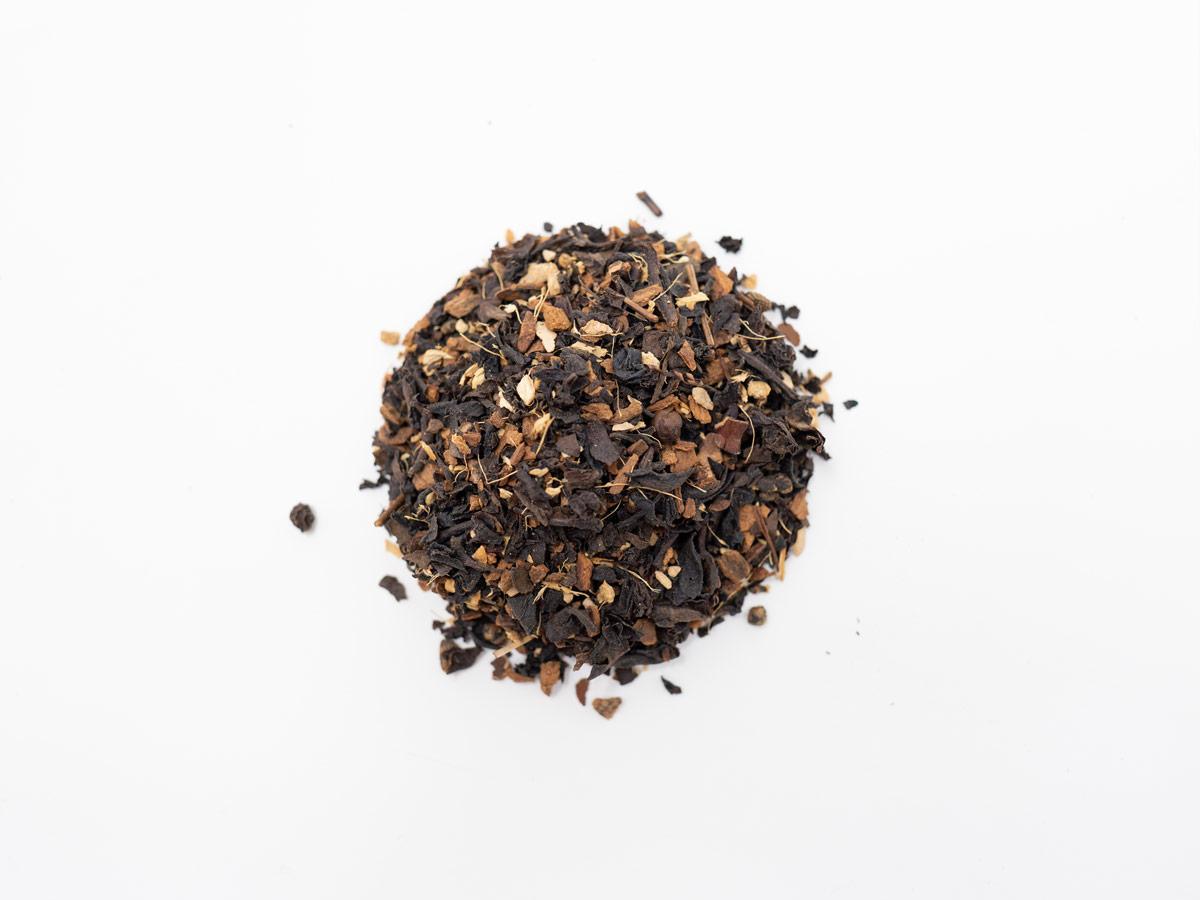
From $ 9.25
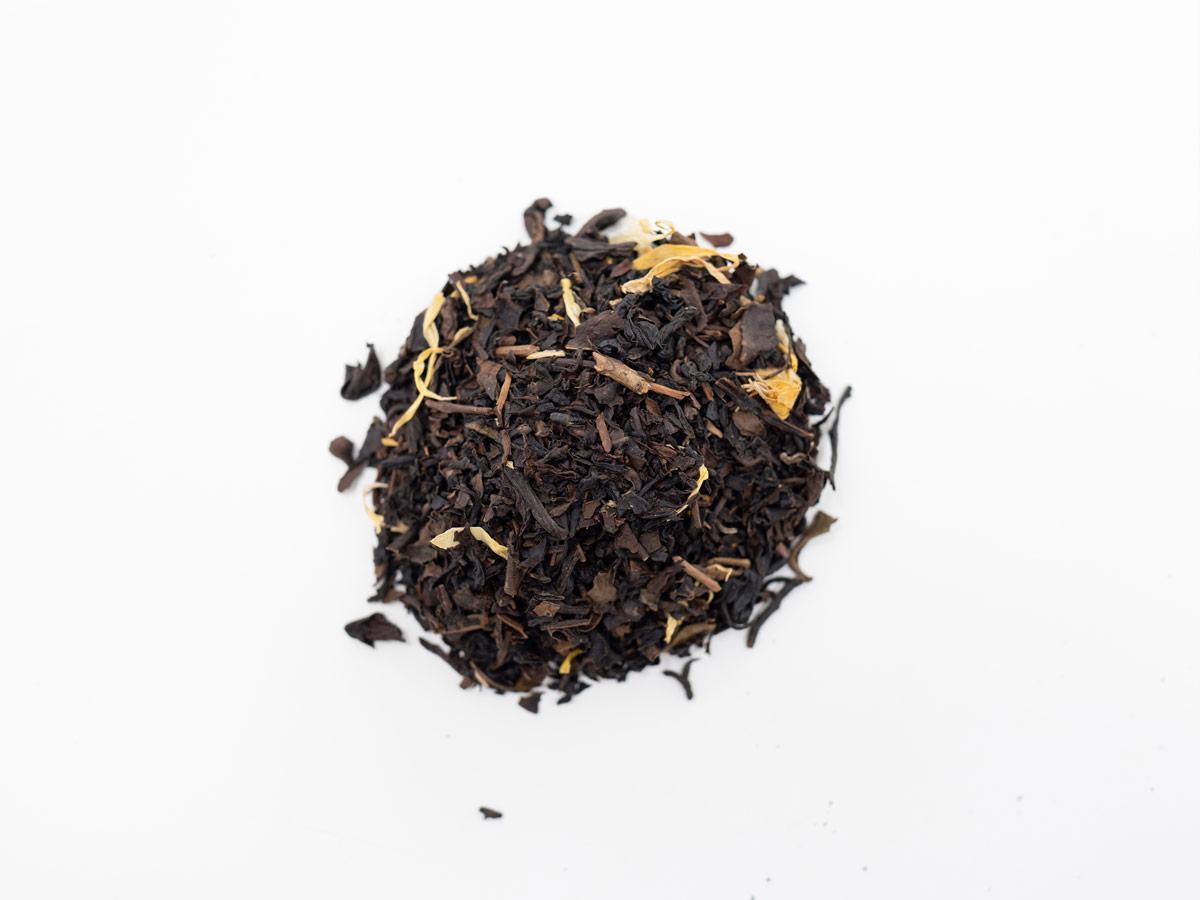
From $ 10.25
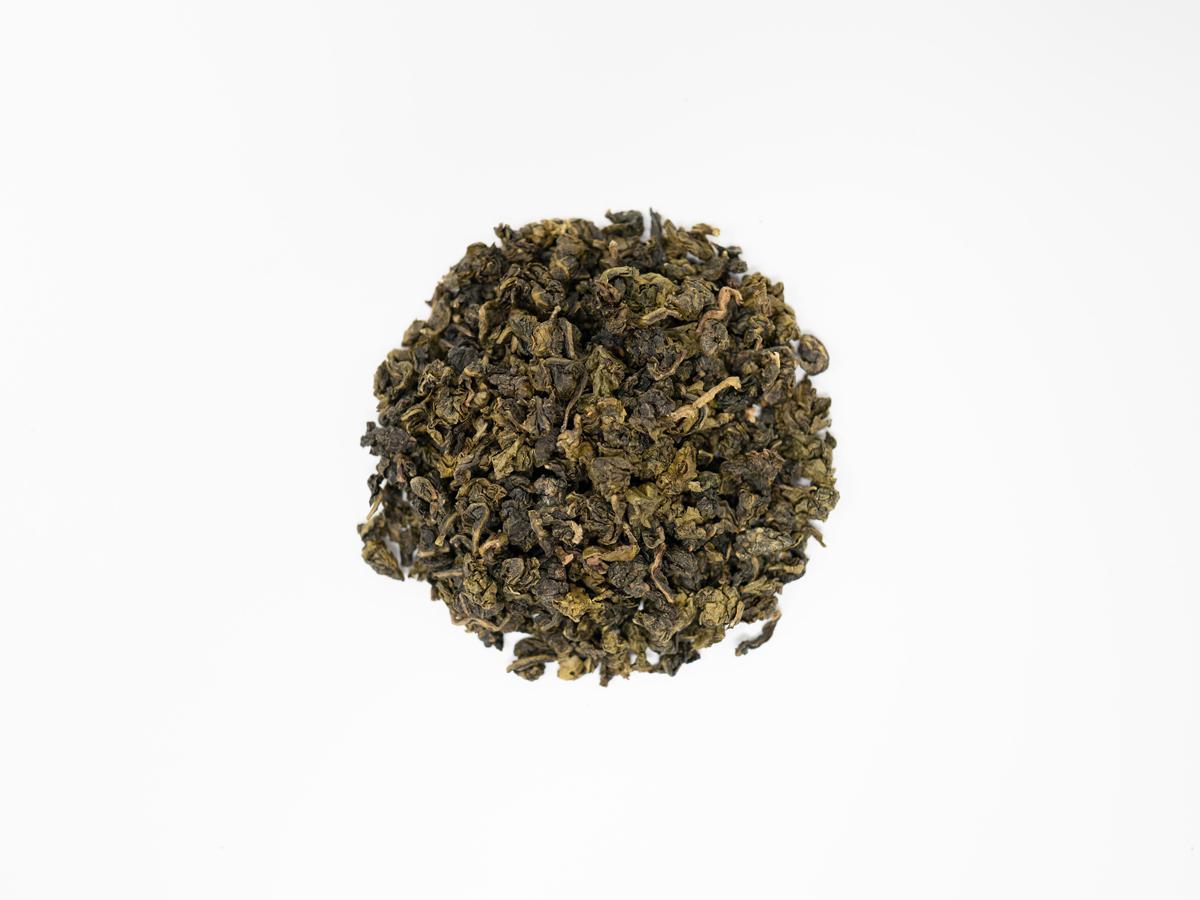
From $ 12.75
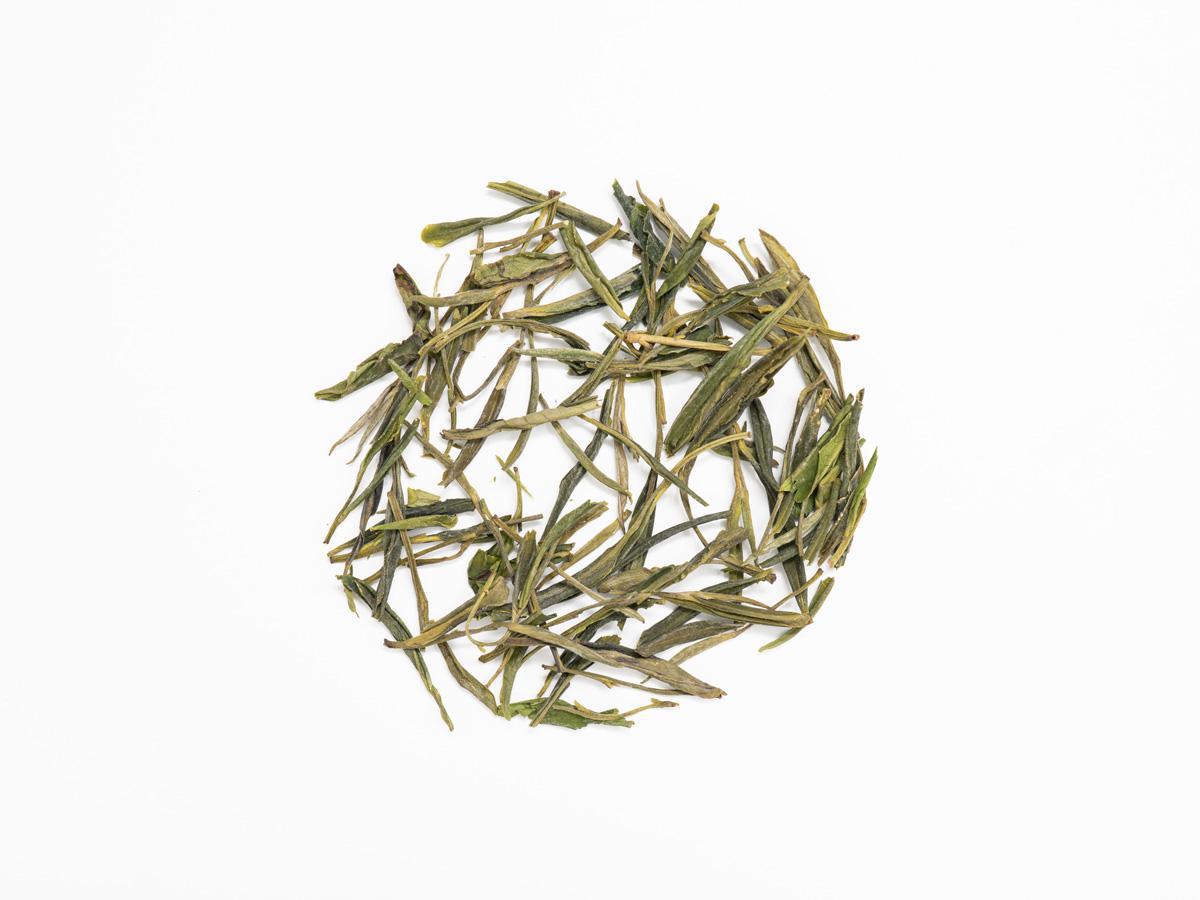
Meng Ding Huang Ya (Misty Peak Yellow Buds)
From $ 25.50
From $ 10.50
learn the fundamentals of tea

Black Tea 101 | History, Processing, and Health Benefits
Hot. Iced. Sweetened. Unsweetened. You may think you know it. You may have been drinking it your whole life.
But there are intricacies about black tea that are fairly unknown and truly staggering. It has started wars, been used as currency, and is the most popular type of tea in the world. But there’s more to this tea than banknotes and bloodshed and bottom lines. There’s history and processing and health benefits and more!
Read moreabout Black Tea 101 | History, Processing, and Health Benefits
Tea 101 | A Brief Overview of the Tea Plant
It’s started wars, been used as currency, and–aside from water–it is the number one most consumed beverage in the world. What is it? Tea, of course! Tea may seem simple at first. It is, after all, just steeping leaves in...

China | Tea's Birthplace and Top Producer
Of all the tea origin stories, the history and evolution of tea in China is the most influential. Tea cultivation and consumption began here, making tea a deeply embedded part of Chinese culture since before the third century. Originally, monks...

Egypt | Historical and Cultural Impact of Tea
The art of drinking tea has significantly influenced many different regions and cultures for centuries. We have learned about the first discovery of tea in China and its migration through Europe and India. Now, this beloved beverage is consumed...
Read moreabout Egypt | Historical and Cultural Impact of Tea

Fruit Tea 101: History & Benefits
Fruit tea, served hot or cold, is naturally sweet and deliciously refreshing. But what exactly are we drinking when we drink fruit tea? Well, for starters, it may surprise you to hear that fruit tea is not technically ‘tea’. Tea...

India | A Top Producer of Our Favorite Teas
The History of Tea in India: How They Became a Top Producer of Our Favorite Teas India and China are the two countries that contend for the title of “World’s Largest Tea Producer,” but their competition is a relatively recent...