

Ginger, well-known and beloved for its numerous benefits, is widely used in everyday life and in tea. We will delve into its origin, flavor profile, and why it has become such a popular ingredient. Ginger has been used for many years in cooking, mixed beverages, health supplements, and home remedies, and has continued to be a staple ingredient in various tea blends.
Ginger Flavor Profile
This zesty spice is a popular ingredient in various recipes, thanks to its unique flavor profile. It has a combination of bright, hot, sweet, and warm taste, along with a slightly woody flavor that creates a harmony of flavors. Ginger's aroma is as powerful as its taste, which makes it an excellent addition to many tea blends. Its complex character has made it a perfect ingredient to be paired with unexpected flavors like chocolate and fruit. Ginger is a versatile ingredient that can enhance the taste of many dishes and beverages, and for that reason, is in many of our best-selling teas.
Origin Story of Ginger
Ginger, a flowering plant of the Zingiberaceae family, is native to China and is closely related to turmeric and cardamom. It spread to other parts of Asia, including the Spice Islands and West Africa. The root or stem of the plant is commonly used for cooking or treating ailments. Although it was initially used by ancient Greeks and Romans, ginger later arrived in Europe through the spice trade. As its popularity grew, so did its production. In 2018, the world production of ginger reached 2.8 million tons, with India being the largest producer.
Ginger Tea Benefits
Ginger is a highly beneficial and natural remedy that has been used for centuries to alleviate a wide range of ailments. For those who suffer from nausea due to pregnancy or chemotherapy, ginger tea is a safe and effective way to reduce symptoms. Similarly, for those who experience motion sickness, ginger tea has been known to decrease dizziness, vomiting, and cold sweats. But the benefits of ginger tea don't stop there. Ginger has been shown to improve heart health and lower blood pressure, making it an excellent addition to a heart-healthy diet. Furthermore, ginger's anti-inflammatory properties can help relieve pain and discomfort, such as sore muscles and headaches, and may also lessen inflammation. It is also rich in antioxidants, which can support the immune system and reduce stress levels. Incorporating ginger tea into your daily routine is an easy and enjoyable way to reap the many benefits of ginger.
If you are searching for a natural supplement to maintain your overall health or a natural cure for a specific ailment, ginger could be the solution. It can enhance the taste of your meal, boost your immune system, and alleviate headaches or nausea. The good news is that you do not have to take ginger supplement pills only. You can enjoy ginger in your daily routine with a delicious cup of tea. At Hackberry, we offer some amazing loose-leaf teas with ginger combined with other tasty and effective ingredients. We all desire ingredients that promote a healthy body, and isn't it wonderful that you can enjoy a delicious cup of tea while doing so?

keep reading tea articles

Butterfly Pea Flower | Add Some Color to Your Tea
Here at Hackberry Tea, some of our teas have vibrant and bright colors. How do they get that way? For example, our Hibiscus Purple Papaya is a bright and beautiful purple, and our Calm Mango Beach is a deep and vibrant...
Read moreabout Butterfly Pea Flower | Add Some Color to Your Tea

Marigold Flowers | Your Garden's Secret Tea Ingredient
Background of Marigolds in Tea Floral components in tea have been a favorite for centuries and marigolds are no exception. The Calendula variation of the marigold is an edible member of the daisy family, also known as the Asteraceae family,...
Read moreabout Marigold Flowers | Your Garden's Secret Tea Ingredient

Berries: Teas With This Ingredient are "Berry" Full of Flavor
Fruit-forward teas have always been a favorite here at Hackberry. They are delicious brewed hot and incredibly refreshing iced. One of our favorite fruits to include in a tea blend are berries. These can be strawberries, raspberries, and even blackberries....
Read moreabout Berries: Teas With This Ingredient are "Berry" Full of Flavor

Beyond Aesthetics | Blue Cornflowers & Tea
Background: Centaurea cyanus, sometimes referred to as bachelor’s button but most commonly known as blue cornflower, is a flowering member of the Asteraceae family that is native to Europe. There is some debate about whether this plant is considered a...

Seven Interesting Peppermint Facts You Probably Didn't Know
When I started writing about peppermint, I wasn't all that interested in the topic. But as I discovered more and more about it, I got more and more interested. So much so that now I want to grow mint in...
Read moreabout Seven Interesting Peppermint Facts You Probably Didn't Know

How We Keep Our Teas Pure & Full of Natural Flavor
In a world where it is increasingly important to understand what products make up the food and beverages we are putting in our bodies, there are times when we come across an unfamiliar ingredient that makes us reevaluate. "Natural flavors"...
Read moreabout How We Keep Our Teas Pure & Full of Natural Flavor
shop these recommended teas
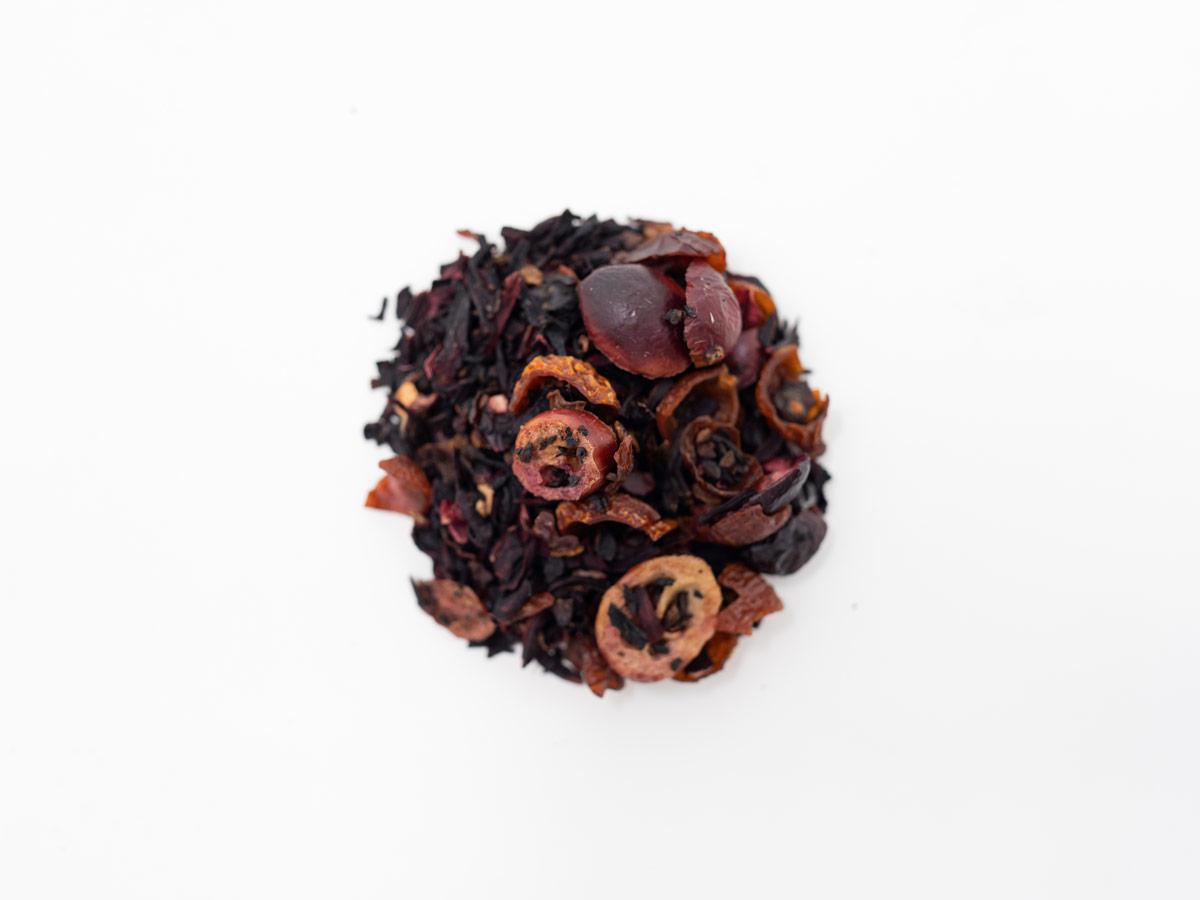
From $ 9.75
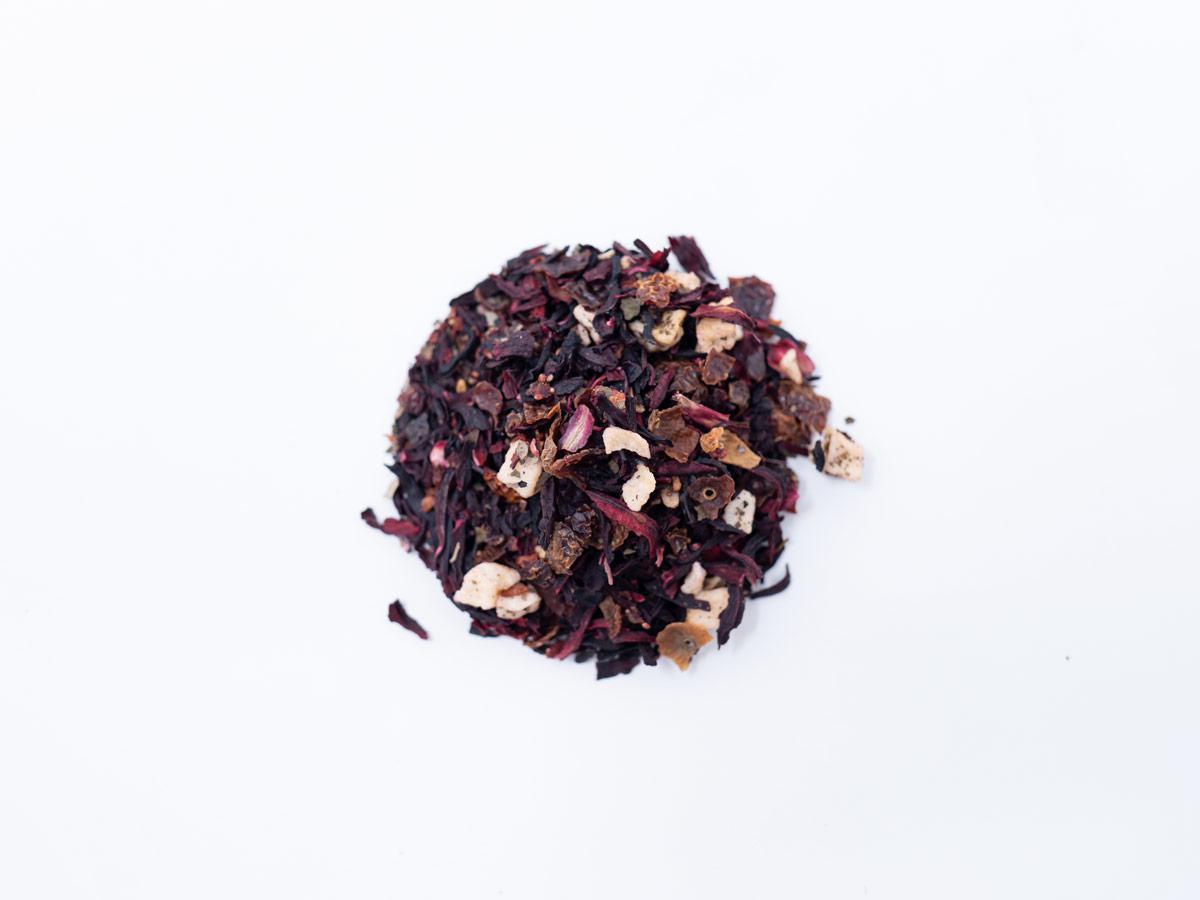
From $ 10.25
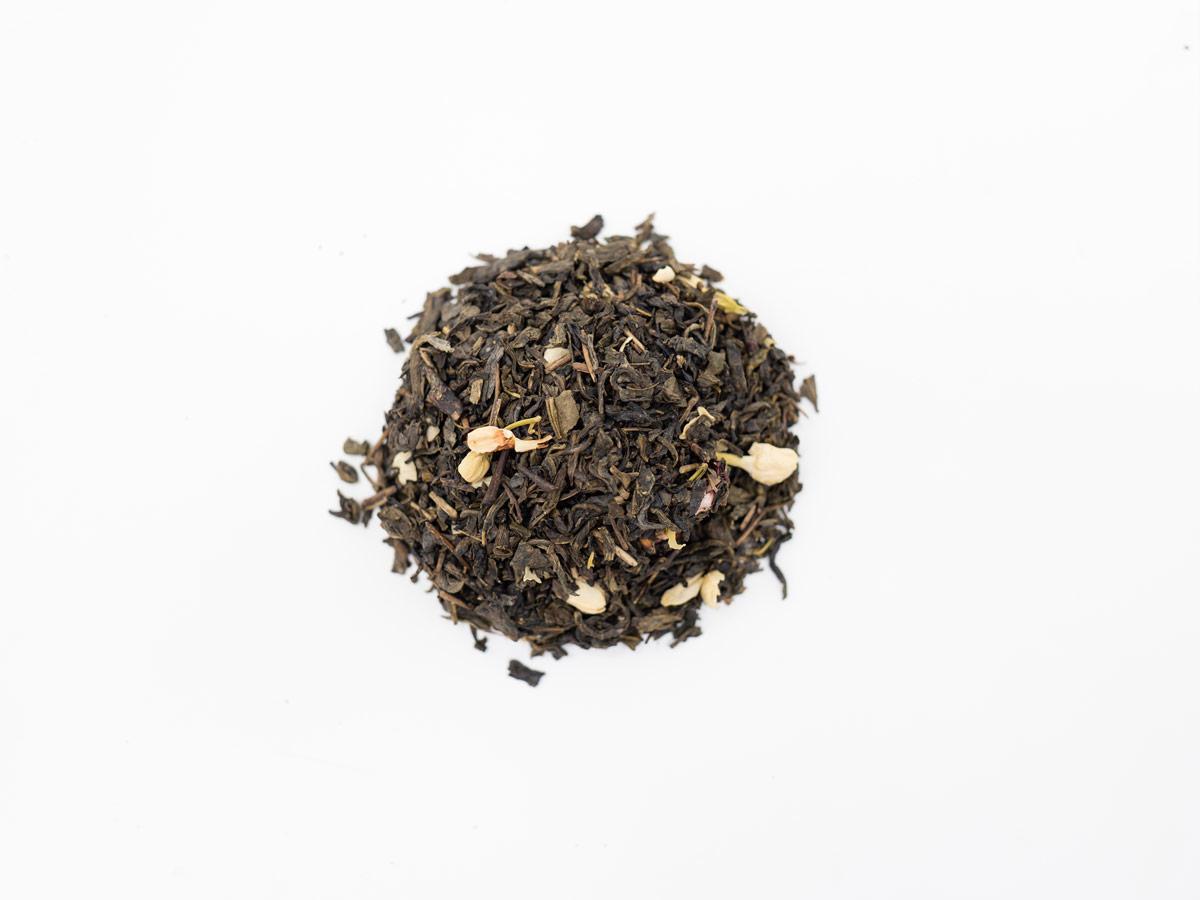
From $ 8.25
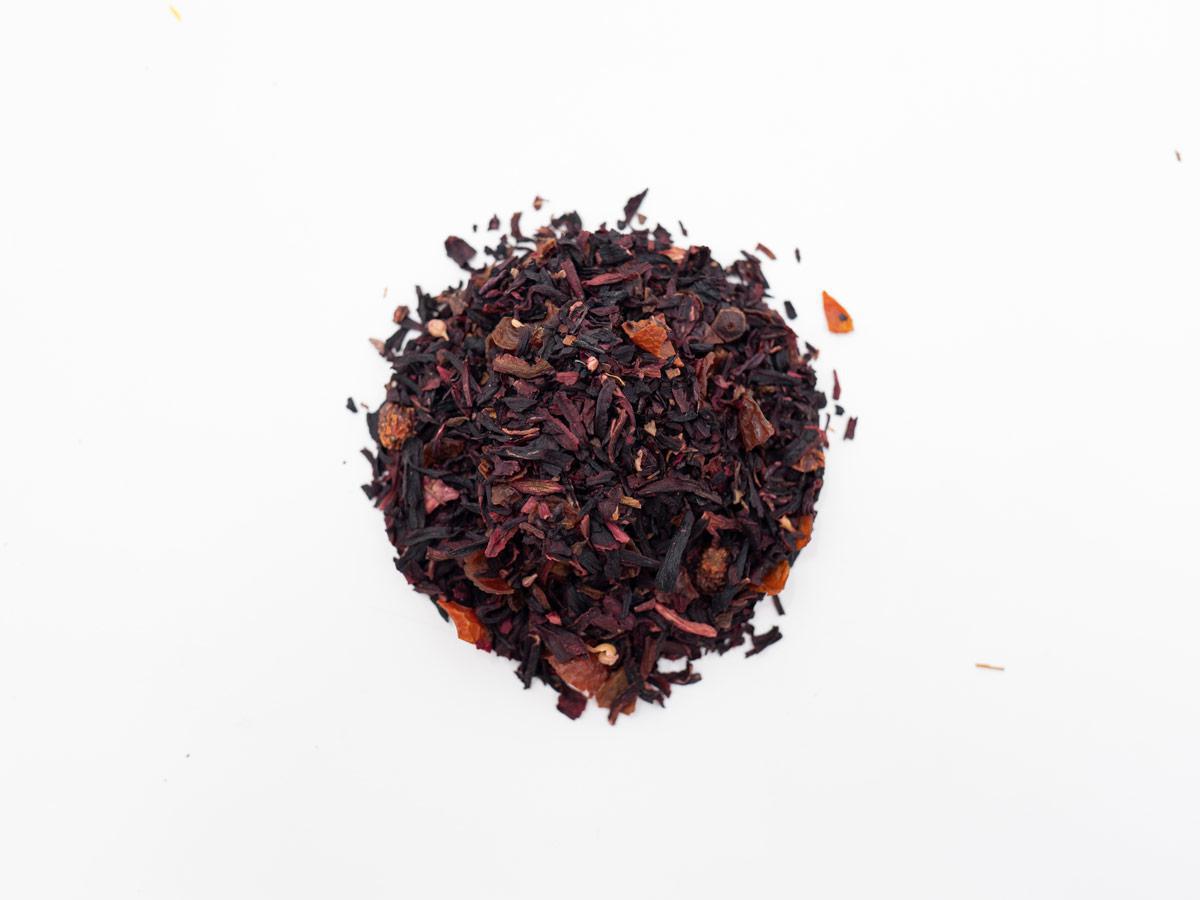
From $ 10.00
From $ 8.50
From $ 8.95
learn the fundamentals of tea

Black Tea 101 | History, Processing, and Health Benefits
Hot. Iced. Sweetened. Unsweetened. You may think you know it. You may have been drinking it your whole life.
But there are intricacies about black tea that are fairly unknown and truly staggering. It has started wars, been used as currency, and is the most popular type of tea in the world. But there’s more to this tea than banknotes and bloodshed and bottom lines. There’s history and processing and health benefits and more!
Read moreabout Black Tea 101 | History, Processing, and Health Benefits

Tea 101 | A Brief Overview of the Tea Plant
It’s started wars, been used as currency, and–aside from water–it is the number one most consumed beverage in the world. What is it? Tea, of course! Tea may seem simple at first. It is, after all, just steeping leaves in...

China | Tea's Birthplace and Top Producer
Of all the tea origin stories, the history and evolution of tea in China is the most influential. Tea cultivation and consumption began here, making tea a deeply embedded part of Chinese culture since before the third century. Originally, monks...

Egypt | Historical and Cultural Impact of Tea
The art of drinking tea has significantly influenced many different regions and cultures for centuries. We have learned about the first discovery of tea in China and its migration through Europe and India. Now, this beloved beverage is consumed...
Read moreabout Egypt | Historical and Cultural Impact of Tea

Fruit Tea 101: History & Benefits
Fruit tea, served hot or cold, is naturally sweet and deliciously refreshing. But what exactly are we drinking when we drink fruit tea? Well, for starters, it may surprise you to hear that fruit tea is not technically ‘tea’. Tea...

India | A Top Producer of Our Favorite Teas
The History of Tea in India: How They Became a Top Producer of Our Favorite Teas India and China are the two countries that contend for the title of “World’s Largest Tea Producer,” but their competition is a relatively recent...