

Background
Roses have been used for a variety of purposes throughout the last few thousand years. From ingredients in fragrances and desserts to symbols of beauty and peace in the arts, these flowers have become a worldwide favorite.
Roses are used for so many different things, it’s hard to know what exactly they were used for first. The reference to roses in literature dates all the way back to 1000 B.C. when they were used in ancient Greek mythology to tell the tragic story of Aphrodite’s lover, Adonis. Since then, they have been referenced by almost every major religion in addition to poets, novelists, musicians, painters, sculptors, and other artists. The rose often symbolizes beauty, peace, perfection, innocence, and love. The contrast between a rose and its thorns is also symbolic in representing balance. Their beautiful scent is a staple in the fragrance industry and their refreshing floral taste has made them a baker’s choice for things like jams and pastries. More recently, they have been used as a skincare ingredient because of their naturally hydrating qualities and can be found in many toners, moisturizers, and masks. Gardeners love them because they are long-lasting plants that will add beauty to any garden. We here at Hackberry love them because they are a staple ingredient for tea.
Benefits
It is believed that using rose petals in tea was first introduced through Traditional Chinese Medicine. This ancient practice claims that roses can regulate the energy of your life, remedy stomach issues, improve sleep, ease menstrual cycle symptoms, and regulate mood swings. Modern science has looked into the biological structure and nutritional information of rose petals and found that they are a good source of Vitamin C, Vitamin A, Vitamin E, Iron, and Calcium. Additionally, they are full of antioxidants which can help your body improve cellular health.
Because roses are packed with vitamins and antioxidants, they promote healthy skin and immune support. Additionally, they have anti-inflammatory properties similar to ibuprofen, which can help with things like arthritis and cramping.
Flavor
Rose petals are used in teas to provide a fresh, floral flavor. Their flavor profile can be showcased in both herbal and caffeinated teas, which makes them very versatile. It is worth noting that rose, or rose petals, are not the same ingredient as rose hips. For information about rose hips, check out our Rose Hips Ingredient Spotlight blog. Here at Hackberry, we have quite a few teas that include rose petals, but here are some of our favorites:
Raspberry Dreamy Green: This delicate green tea lets the flavors of rose and raspberries shine through. This tea is best enjoyed iced and has a low caffeine level.
Chocolate-Covered Strawberries: This delicious dessert tea is made of a heavenly combination of chocolate, strawberry, and rose. If you are craving a sweet treat, this tea will fill that craving while still giving you the health benefits associated with each of its ingredients and the caffeine kick of black tea.
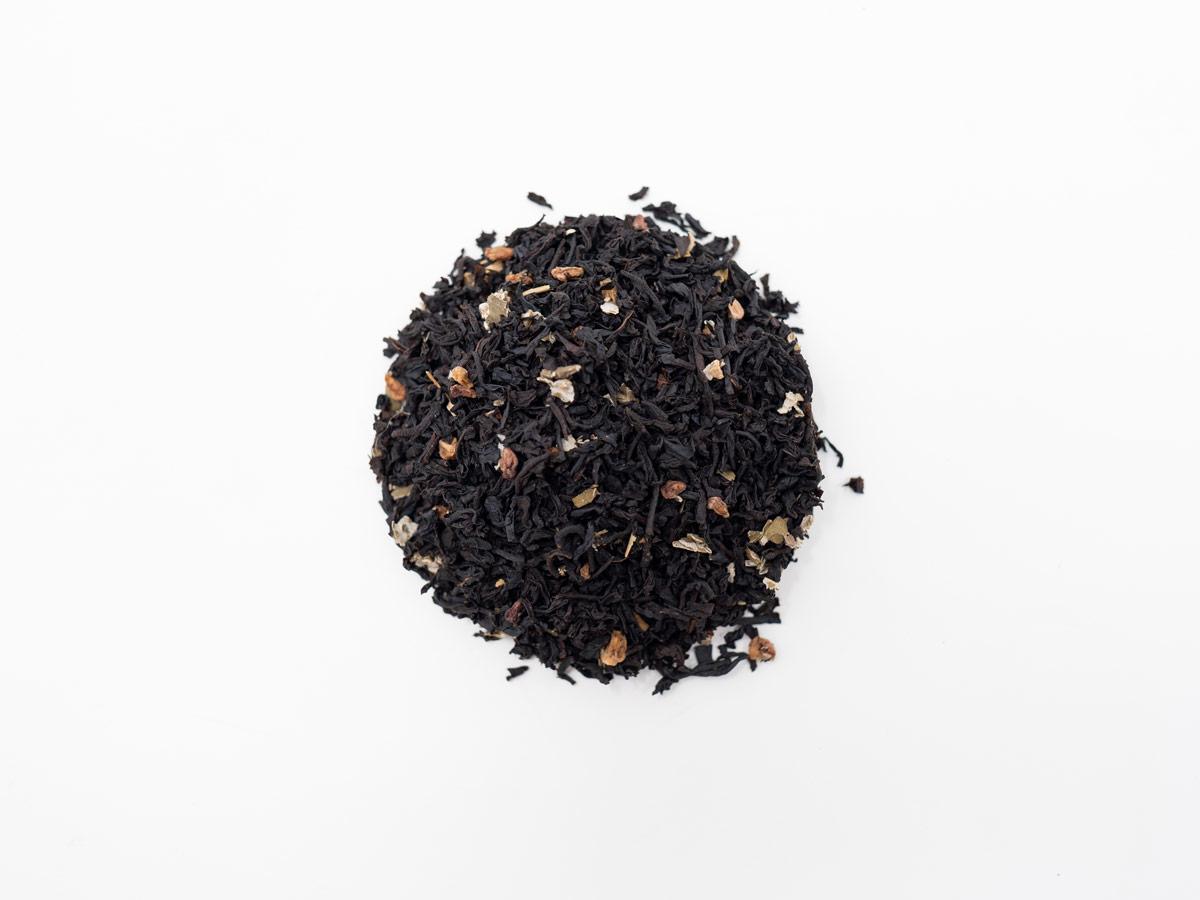
Cherry Black: This black tea has subtle notes of rose and cherry that create a well-rounded sweet and crisp flavor profile. It is a caffeinated tea that can be enjoyed both hot or iced which makes it perfect for spring months.
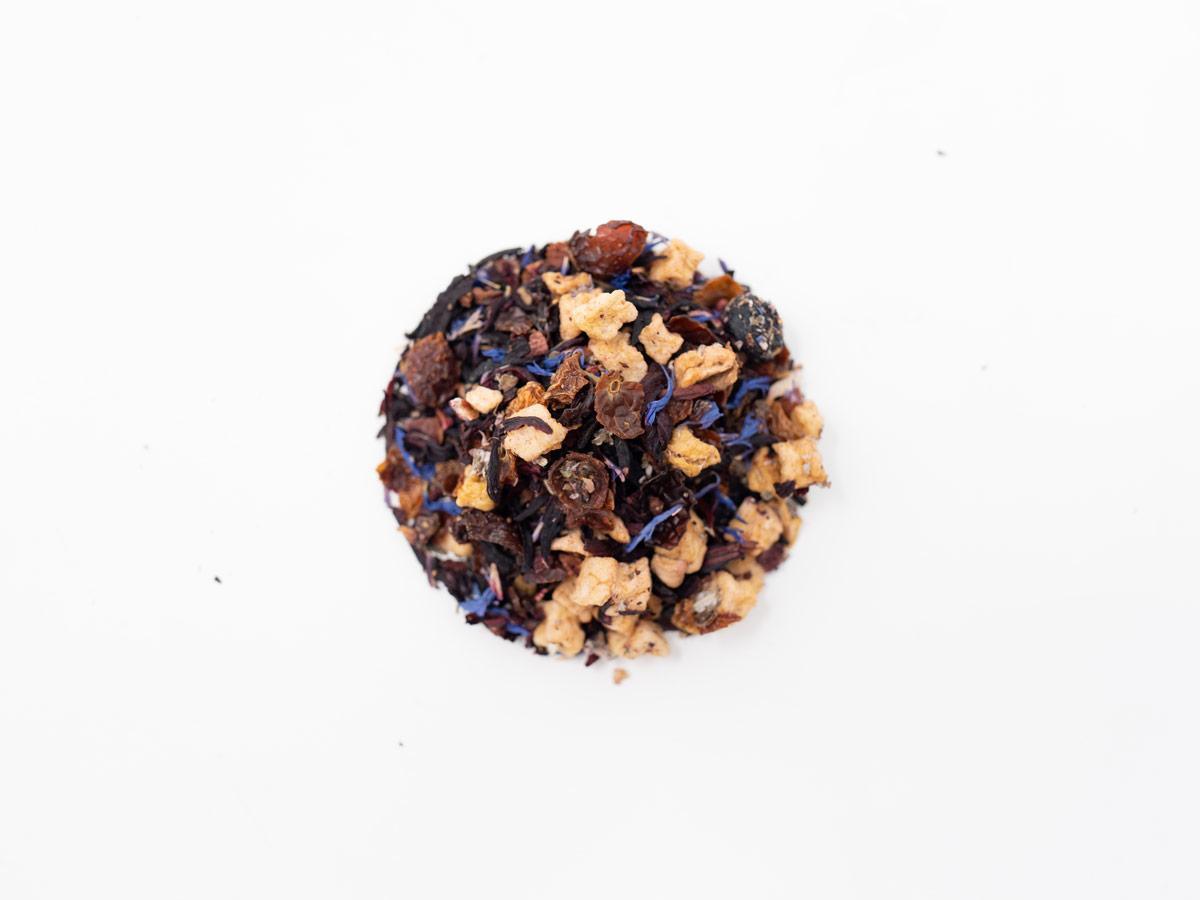
Watermelon Refresher: If caffeine isn’t your thing, this delicious fruit tisane is for you! Made of natural fruit pieces with rose petals and rose hips, this tea is naturally sweet and best enjoyed iced.

keep reading tea articles

Butterfly Pea Flower | Add Some Color to Your Tea
Here at Hackberry Tea, some of our teas have vibrant and bright colors. How do they get that way? For example, our Hibiscus Purple Papaya is a bright and beautiful purple, and our Calm Mango Beach is a deep and vibrant...
Read moreabout Butterfly Pea Flower | Add Some Color to Your Tea

Marigold Flowers | Your Garden's Secret Tea Ingredient
Background of Marigolds in Tea Floral components in tea have been a favorite for centuries and marigolds are no exception. The Calendula variation of the marigold is an edible member of the daisy family, also known as the Asteraceae family,...
Read moreabout Marigold Flowers | Your Garden's Secret Tea Ingredient

Berries: Teas With This Ingredient are "Berry" Full of Flavor
Fruit-forward teas have always been a favorite here at Hackberry. They are delicious brewed hot and incredibly refreshing iced. One of our favorite fruits to include in a tea blend are berries. These can be strawberries, raspberries, and even blackberries....
Read moreabout Berries: Teas With This Ingredient are "Berry" Full of Flavor

Beyond Aesthetics | Blue Cornflowers & Tea
Background: Centaurea cyanus, sometimes referred to as bachelor’s button but most commonly known as blue cornflower, is a flowering member of the Asteraceae family that is native to Europe. There is some debate about whether this plant is considered a...

Seven Interesting Peppermint Facts You Probably Didn't Know
When I started writing about peppermint, I wasn't all that interested in the topic. But as I discovered more and more about it, I got more and more interested. So much so that now I want to grow mint in...
Read moreabout Seven Interesting Peppermint Facts You Probably Didn't Know

How We Keep Our Teas Pure & Full of Natural Flavor
In a world where it is increasingly important to understand what products make up the food and beverages we are putting in our bodies, there are times when we come across an unfamiliar ingredient that makes us reevaluate. "Natural flavors"...
Read moreabout How We Keep Our Teas Pure & Full of Natural Flavor
shop these recommended teas
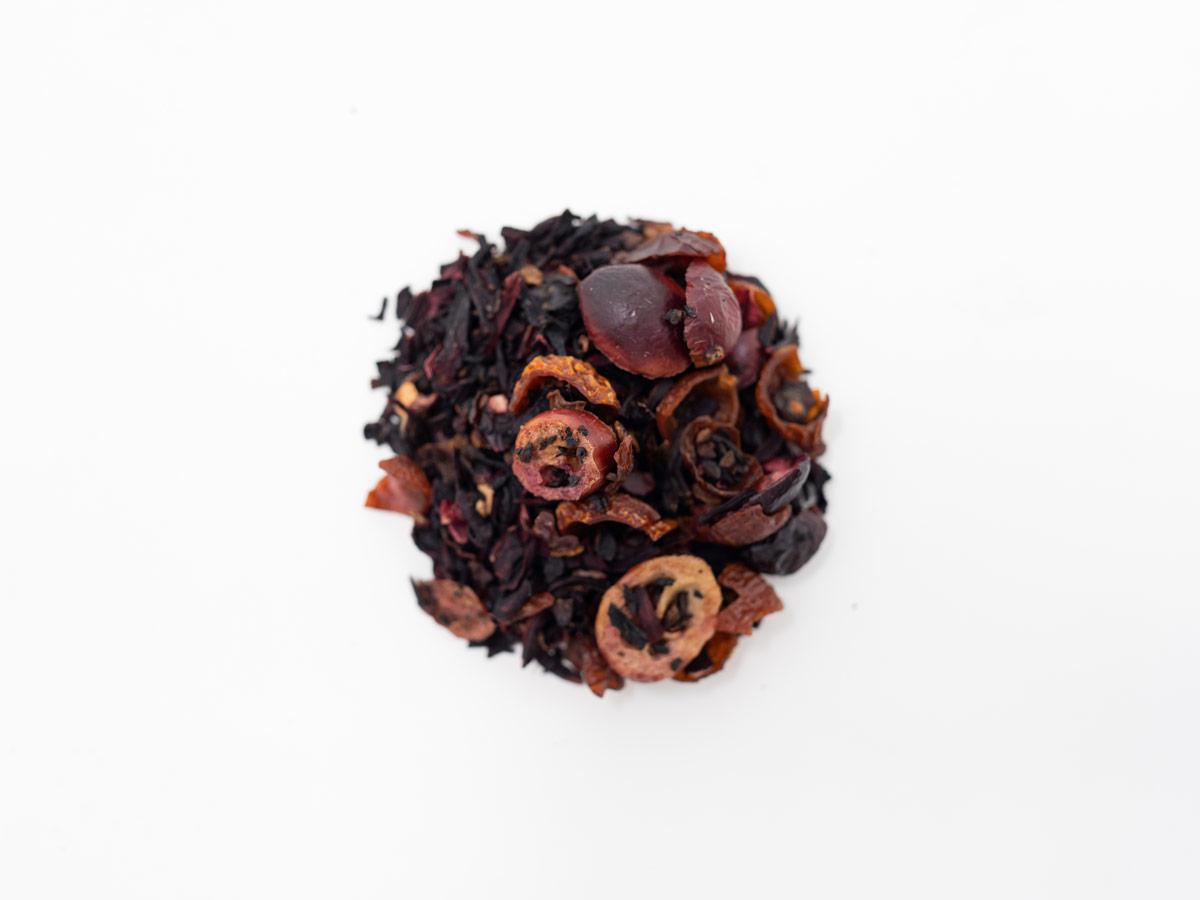
From $ 9.75
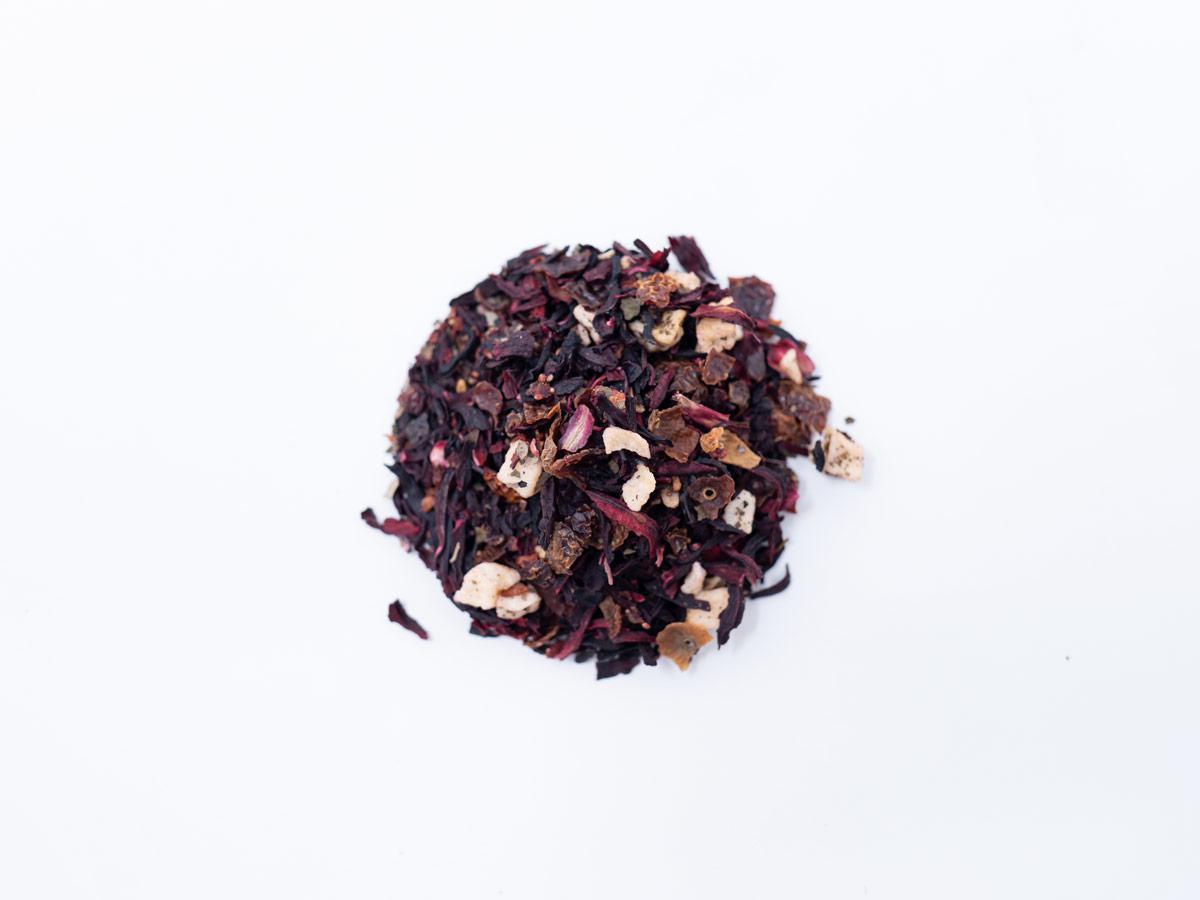
From $ 10.25
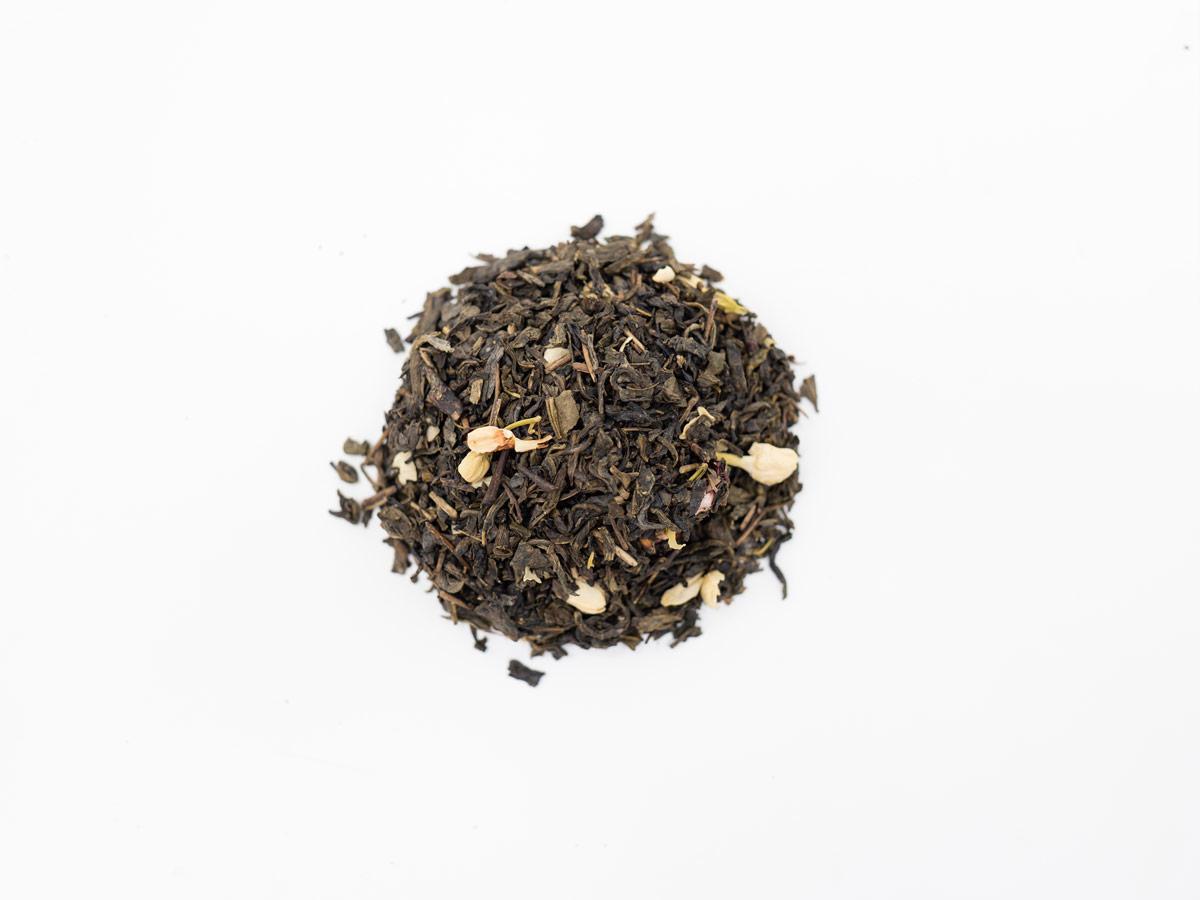
From $ 8.25
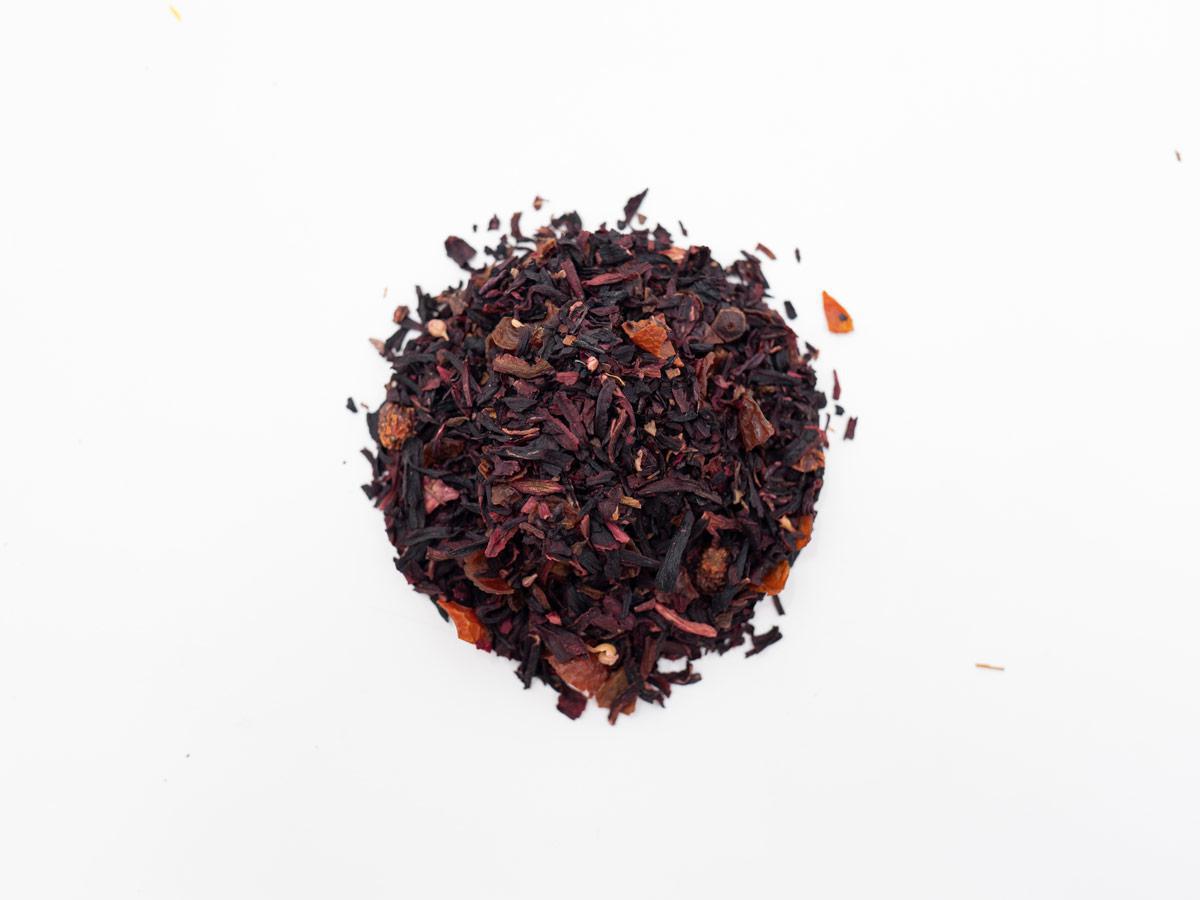
From $ 10.00
From $ 8.50
From $ 8.95
learn the fundamentals of tea

Black Tea 101 | History, Processing, and Health Benefits
Hot. Iced. Sweetened. Unsweetened. You may think you know it. You may have been drinking it your whole life.
But there are intricacies about black tea that are fairly unknown and truly staggering. It has started wars, been used as currency, and is the most popular type of tea in the world. But there’s more to this tea than banknotes and bloodshed and bottom lines. There’s history and processing and health benefits and more!
Read moreabout Black Tea 101 | History, Processing, and Health Benefits

Tea 101 | A Brief Overview of the Tea Plant
It’s started wars, been used as currency, and–aside from water–it is the number one most consumed beverage in the world. What is it? Tea, of course! Tea may seem simple at first. It is, after all, just steeping leaves in...

China | Tea's Birthplace and Top Producer
Of all the tea origin stories, the history and evolution of tea in China is the most influential. Tea cultivation and consumption began here, making tea a deeply embedded part of Chinese culture since before the third century. Originally, monks...

Egypt | Historical and Cultural Impact of Tea
The art of drinking tea has significantly influenced many different regions and cultures for centuries. We have learned about the first discovery of tea in China and its migration through Europe and India. Now, this beloved beverage is consumed...
Read moreabout Egypt | Historical and Cultural Impact of Tea

Fruit Tea 101: History & Benefits
Fruit tea, served hot or cold, is naturally sweet and deliciously refreshing. But what exactly are we drinking when we drink fruit tea? Well, for starters, it may surprise you to hear that fruit tea is not technically ‘tea’. Tea...

India | A Top Producer of Our Favorite Teas
The History of Tea in India: How They Became a Top Producer of Our Favorite Teas India and China are the two countries that contend for the title of “World’s Largest Tea Producer,” but their competition is a relatively recent...