

In our conversation about the ingredients present in many of our teas, let's talk about chamomile. When we think of chamomile, words like rest, calm, healing, and a good night's sleep come to mind. These are all positive things! Therefore, let's take a closer look at this herb and see what makes it so popular for both recreational and medicinal purposes over the years.
Chamomile Tea Flavor
The delicate chamomile plant bears striking resemblance to a small white daisy, with its soft petals and bright yellow center. When brewed, it releases a gentle fragrance that evokes the warm glow of a summer day, and its pale yellow hue resembles the soft, diffused light of a watercolor painting. The tea's flavor is at first sweet and soothing, with a subtle hint of honey, followed by a pleasant, slightly bitter aftertaste.
Because it is naturally caffeine-free, chamomile tea is an excellent choice at any time of day, and its mild, unobtrusive flavor blends splendidly with other tea varieties. Chamomile tea blends often incorporate natural fruit flavors, such as succulent dried berries or tangy citrus fruits, as well as fragrant herbs like mint, lavender, and lemongrass.
Chamomile Tea Origin
Chamomile is a fragrant and soothing herb that is commonly used in herbal teas due to its calming properties. The word "Chamomile" is derived from the Greek language, where "Chamai" means "on the ground" and "melon" means "apple", which refers to the pleasant apple-like scent of the herb. There are eleven different species of chamomile, but only two are commonly used in tea blends: Matricaria chamomile (also known as German chamomile) and Chamaemelum nobile (also called Roman chamomile). German chamomile has a more bitter taste, while Roman chamomile is sweeter and milder.
Chamomile has been used since ancient times for its medicinal benefits. In ancient Egypt, it was used to help with colds and fevers. The Romans also valued chamomile for its calming properties and used it in their drinks and as incense. Today, chamomile is still popular for its soothing effects and can be found in various forms such as teas, supplements, and skincare products.
Chamomile Tea Benefits
Chamomile has long been used to aid with anxiety and insomnia, as well as to soothe upset stomachs, relieve nausea, and alleviate heartburn. The flowers of chamomile are the source of its health benefits, which come from several volatile oils including bisabolol oxides, bisabolol, and matricin. The flowers also contain flavonoids, such as apigenin, which has numerous advantages. Chamomile has medicinal properties, including anti-inflammatory, anti-bacterial, anti-fungal, anti-spasmodic, and sedative actions. While chamomile is beneficial in many ways, it is always advisable to consult your doctor regarding any health issues you may be experiencing.
If you're in search of a relaxing and soothing experience, you can't go wrong with Hackberry's Chamomile tea options. Our collection offers a range of options to suit every taste. For those who prefer a simple yet flavorful tea, the classic Chamomile tea is an excellent choice. If you're feeling adventurous, give the Chamomile tea with added ingredients like peppermint or lavender a try. These teas will not only calm your senses but also add a lovely aroma to your surroundings. So go ahead and indulge in a cup of Hackberry Tea's Chamomile tea and feel your worries melt away.

keep reading tea articles

Bi Tan Piao Xue | A Tea That Blooms Before Your Eyes
Imagine a cup of tea where delicate white blossoms drift across a pool of jade-green tea, almost like snow falling on water. Bi Tan Piao Xue (translated “Snow Flakes Falling Upon a Jade Pond”) does just that, as one of...
Read moreabout Bi Tan Piao Xue | A Tea That Blooms Before Your Eyes

The Soul of Oolong | The Legend, Craft, and Flavor of Ti Kuan Yin Tea
Not every tea has an intriguing nickname like Iron Goddess of Mercy. But Ti Kuan Yin tea isn’t like every other tea. Perhaps the most well-known of all the oolong teas, Ti Kuan Yin offers more than a delicious brewed...
Read moreabout The Soul of Oolong | The Legend, Craft, and Flavor of Ti Kuan Yin Tea

English, Irish, and Scottish Breakfast Tea
Drinking hot tea has been a longstanding tradition in Europe, specifically in the United Kingdom. English, Irish, and Scottish breakfast teas have been a staple for many households for their bold flavors and tannin levels. Breakfast teas were produced to...

Chai Tea 101 | Origin & Evolution
Chai is one of the most popular tea drinks globally. But did you know it’s not actually a tea type like black or green tea? Instead, it’s a spiced blend—often with black tea as its base—mixed with aromatic ingredients like...

Chamomile | The Simple Base to Many of Your Favorite Teas
In our conversation about the ingredients present in many of our teas, let's talk about chamomile. When we think of chamomile, words like rest, calm, healing, and a good night's sleep come to mind. These are all positive things! Therefore,...
Read moreabout Chamomile | The Simple Base to Many of Your Favorite Teas

Why Is Golden Monkey So Pricey?
Golden Monkey is widely considered one of the finest teas you can access in the US. Its near-sweet taste and smooth finish make for a delicious light cup of black tea fit to perk you up during a drowsy early...
shop these recommended teas
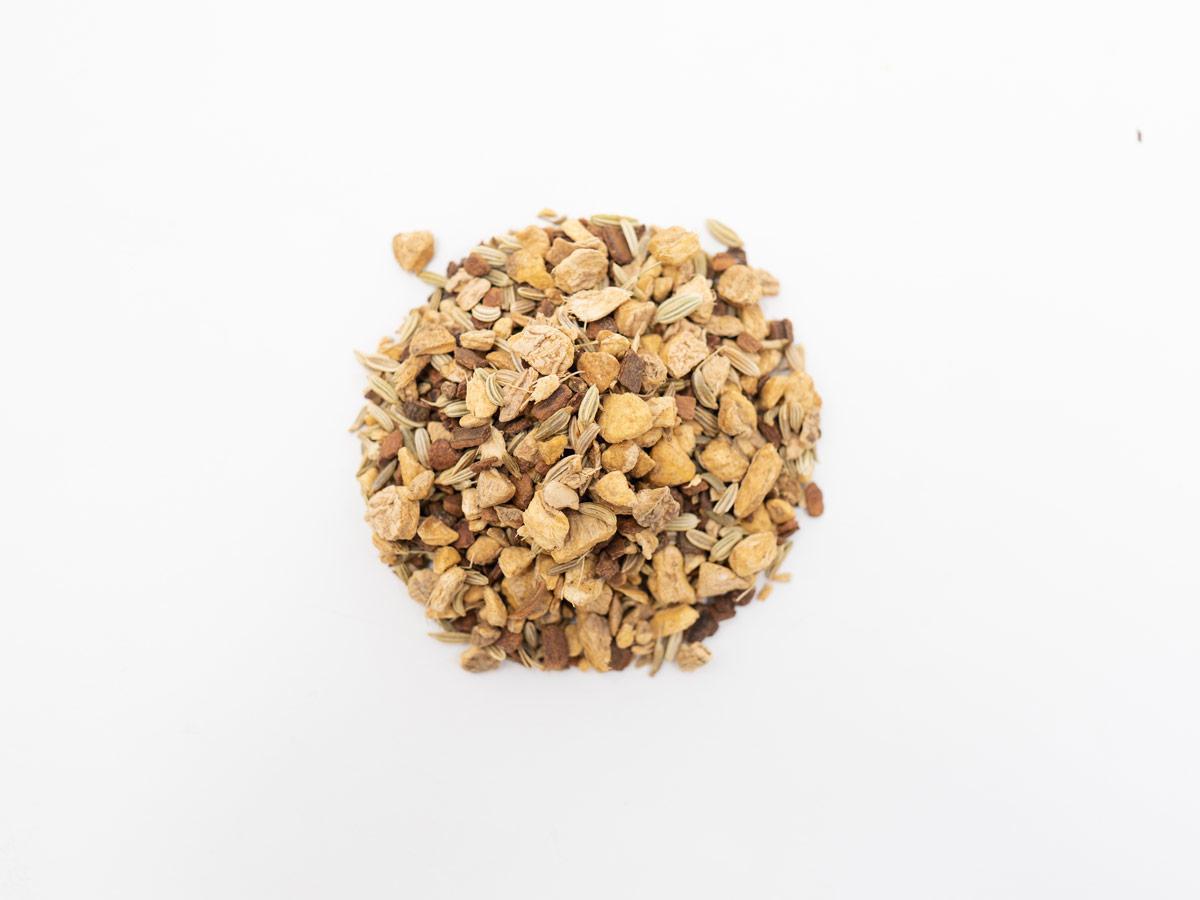
From $ 10.25
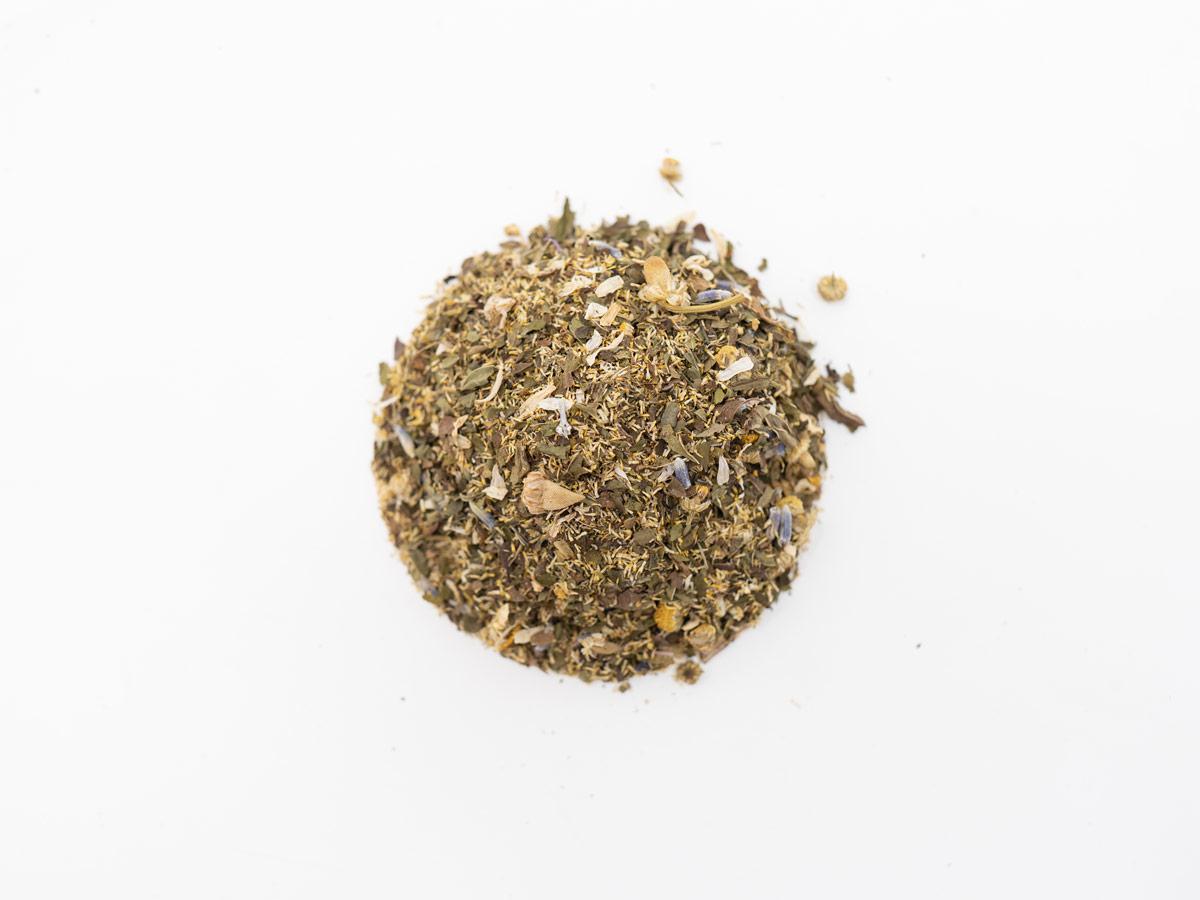
From $ 11.00
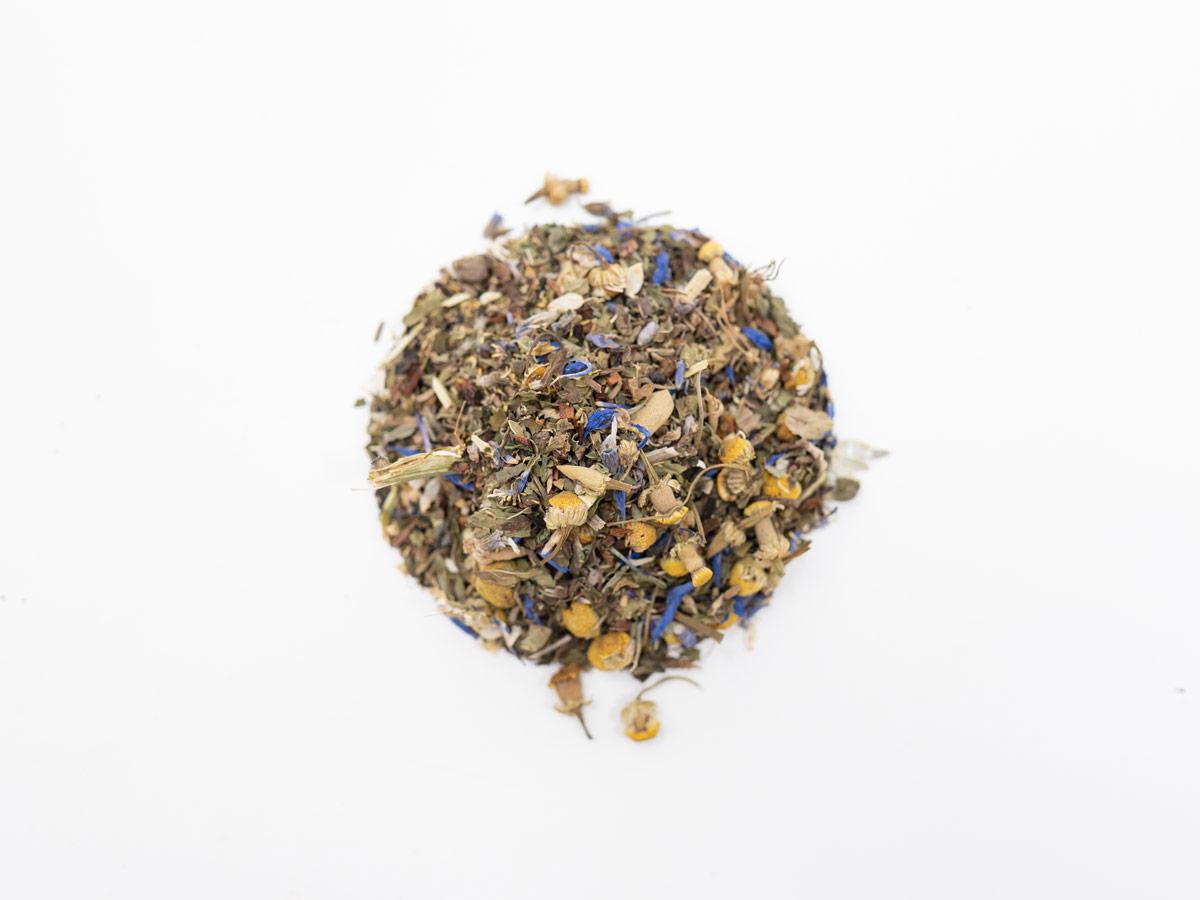
From $ 8.95
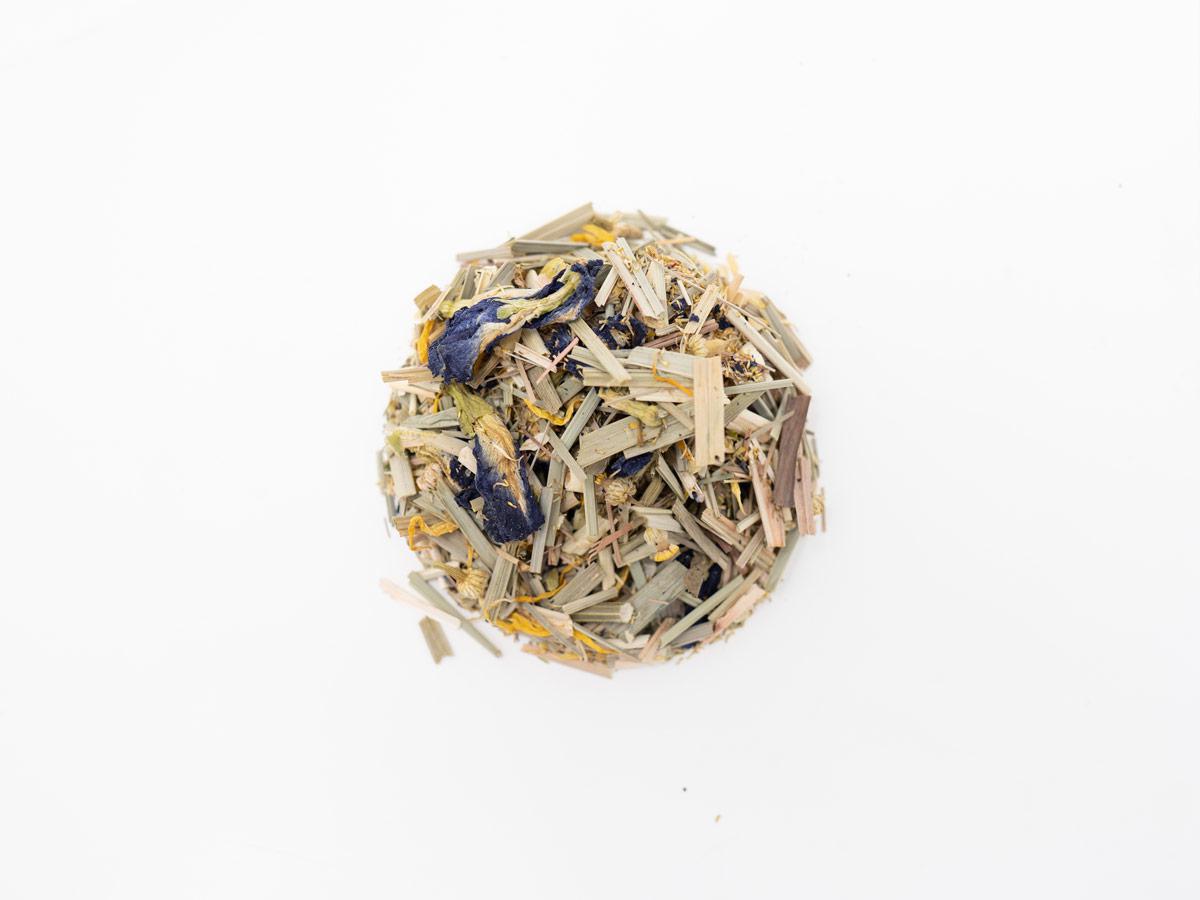
From $ 9.75
From $ 10.50
From $ 8.95
learn the fundamentals of tea

Black Tea 101 | History, Processing, and Health Benefits
Hot. Iced. Sweetened. Unsweetened. You may think you know it. You may have been drinking it your whole life.
But there are intricacies about black tea that are fairly unknown and truly staggering. It has started wars, been used as currency, and is the most popular type of tea in the world. But there’s more to this tea than banknotes and bloodshed and bottom lines. There’s history and processing and health benefits and more!
Read moreabout Black Tea 101 | History, Processing, and Health Benefits

Tea 101 | A Brief Overview of the Tea Plant
It’s started wars, been used as currency, and–aside from water–it is the number one most consumed beverage in the world. What is it? Tea, of course! Tea may seem simple at first. It is, after all, just steeping leaves in...

China | Tea's Birthplace and Top Producer
Of all the tea origin stories, the history and evolution of tea in China is the most influential. Tea cultivation and consumption began here, making tea a deeply embedded part of Chinese culture since before the third century. Originally, monks...

Egypt | Historical and Cultural Impact of Tea
The art of drinking tea has significantly influenced many different regions and cultures for centuries. We have learned about the first discovery of tea in China and its migration through Europe and India. Now, this beloved beverage is consumed...
Read moreabout Egypt | Historical and Cultural Impact of Tea

Fruit Tea 101: History & Benefits
Fruit tea, served hot or cold, is naturally sweet and deliciously refreshing. But what exactly are we drinking when we drink fruit tea? Well, for starters, it may surprise you to hear that fruit tea is not technically ‘tea’. Tea...

India | A Top Producer of Our Favorite Teas
The History of Tea in India: How They Became a Top Producer of Our Favorite Teas India and China are the two countries that contend for the title of “World’s Largest Tea Producer,” but their competition is a relatively recent...