

Chai is one of the most popular tea drinks globally. But did you know it’s not actually a tea type like black or green tea? Instead, it’s a spiced blend—often with black tea as its base—mixed with aromatic ingredients like cardamom, cinnamon, black pepper, cloves, and ginger. In that sense, it’s more of a tea-based beverage than a true tea on its own. While the recipe varies from place to place, chai is traditionally a delicious mixture of black tea, milk, sugar, and the above-mentioned spices (called a masala blend). Although the flavors are reminiscent of the fall and winter seasons, the versatility it brings as a hot or iced beverage allows it to be enjoyed all year long. This sweet, milky tea that we have grown to love has evolved over the years and is actually quite different from the original Indian chai recipe.
The word “chai” is the Hindi word for “tea,” which is derived from “cha”, the Chinese word for tea. Chai can also be referred to as “masala chai” or “spiced chai” since “chai tea” translates to “tea tea.” The term for chai is a mixture of spices or “masala” steeped into a hot tea beverage. The beginning of chai dates back more than 5,000 years ago in the Assam region of India. Legend says an Indian king combined a medley of warm spices and turned them into a drink for medicinal purposes. This new concoction was created to be used in “Ayurveda”, a health practice that specialized in the use of spices and herbs. Common chai ingredients, such as cloves and ginger, were thought to promote digestion and relieve pain, among other benefits. Chai increased in popularity, and the medicinal blend spread across different parts of India, with each region adding its own interpretation to the recipe.
Chai, in its original form, was not technically a tea as it did not contain tea leaves from the Camellia sinensis plant. The Camellia sinensis plant is where all black, green, and white tea come from. Black tea leaves, milk, and sugar became a popular addition in the mid-1800s when Camellia sinensis plants were discovered in India and harvested by the British. The British ruled India at the time and preferred their tea (specifically black tea) with milk and sugar. The Indians adopted this way of drinking tea and sometime later began adding Ayurvedic spices which, in turn, led to the combination of ingredients we most often associate with chai today. Chai is more than a type of tea in India–it is a way of life. Street vendors called ‘chaiwallas’ are on every corner, selling cups of chai out of their enormous steel pots. Chai is also a staple of most homes in India, with families often drinking chai multiple times a day, though exact recipes and variations may vary by region. The two black teas most often found in chai are Assam and Darjeeling, both of which are native to India. In the years since, chai has expanded across numerous countries and continents. Now you can find chai recipes using various tea types, including green tea (Japan), yerba mate (South America), and red rooibos (South Africa).
The most common ingredients in chai are black tea, milk, sugar, and a combination of spices like cardamom, cinnamon, cloves, ginger, star anise, etc. One of the most exciting aspects of chai is the versatility in the flavor it brings. With just a simple adjustment of ingredients, a cup of chai can become more spicy, sweet, or even savory. The caffeine content of chai also coincides with the type and amount of Camellia sinensis used for the base, with black tea having the most caffeine. As mentioned briefly before, chai has a plethora of health benefits. It is rich in antioxidants that can guard the body against free-radical damage, improves digestion, and balances hormone levels. The array of spices used have healing traits that fight against nausea and boosts the immune system (ginger) and balances blood sugar (cinnamon). Cloves, the spice with the highest level of antioxidants, have antiviral and antibacterial properties and are being studied for cancer treatments. All of these powerhouse spices combined work synergistically to promote a healthier body. You could say that a chai blend is like the Avengers of tea!

keep reading tea articles

Bi Tan Piao Xue | A Tea That Blooms Before Your Eyes
Imagine a cup of tea where delicate white blossoms drift across a pool of jade-green tea, almost like snow falling on water. Bi Tan Piao Xue (translated “Snow Flakes Falling Upon a Jade Pond”) does just that, as one of...
Read moreabout Bi Tan Piao Xue | A Tea That Blooms Before Your Eyes

The Soul of Oolong | The Legend, Craft, and Flavor of Ti Kuan Yin Tea
Not every tea has an intriguing nickname like Iron Goddess of Mercy. But Ti Kuan Yin tea isn’t like every other tea. Perhaps the most well-known of all the oolong teas, Ti Kuan Yin offers more than a delicious brewed...
Read moreabout The Soul of Oolong | The Legend, Craft, and Flavor of Ti Kuan Yin Tea

English, Irish, and Scottish Breakfast Tea
Drinking hot tea has been a longstanding tradition in Europe, specifically in the United Kingdom. English, Irish, and Scottish breakfast teas have been a staple for many households for their bold flavors and tannin levels. Breakfast teas were produced to...

Chai Tea 101 | Origin & Evolution
Chai is one of the most popular tea drinks globally. But did you know it’s not actually a tea type like black or green tea? Instead, it’s a spiced blend—often with black tea as its base—mixed with aromatic ingredients like...

Chamomile | The Simple Base to Many of Your Favorite Teas
In our conversation about the ingredients present in many of our teas, let's talk about chamomile. When we think of chamomile, words like rest, calm, healing, and a good night's sleep come to mind. These are all positive things! Therefore,...
Read moreabout Chamomile | The Simple Base to Many of Your Favorite Teas

Why Is Golden Monkey So Pricey?
Golden Monkey is widely considered one of the finest teas you can access in the US. Its near-sweet taste and smooth finish make for a delicious light cup of black tea fit to perk you up during a drowsy early...
shop these recommended teas
From $ 10.25
From $ 9.25
From $ 8.95
From $ 11.25
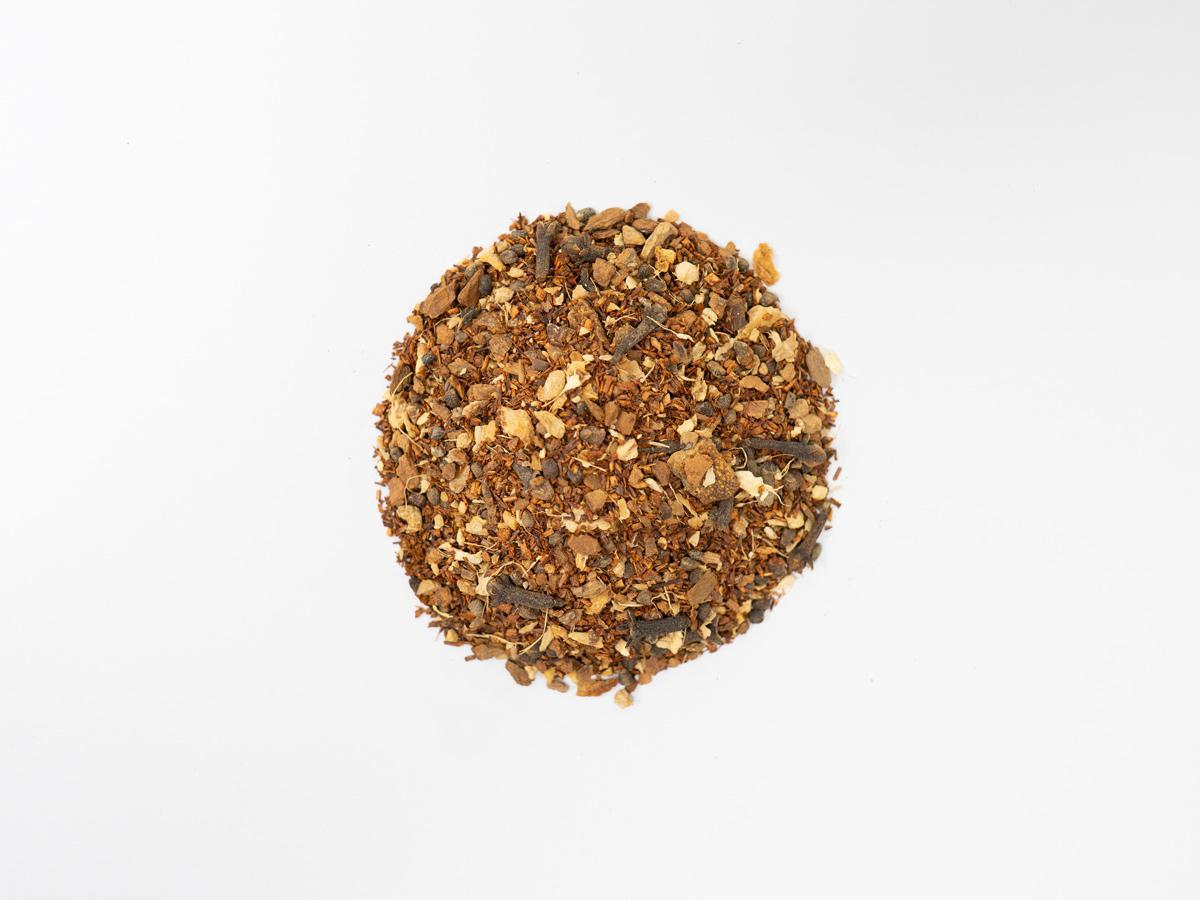
From $ 9.50
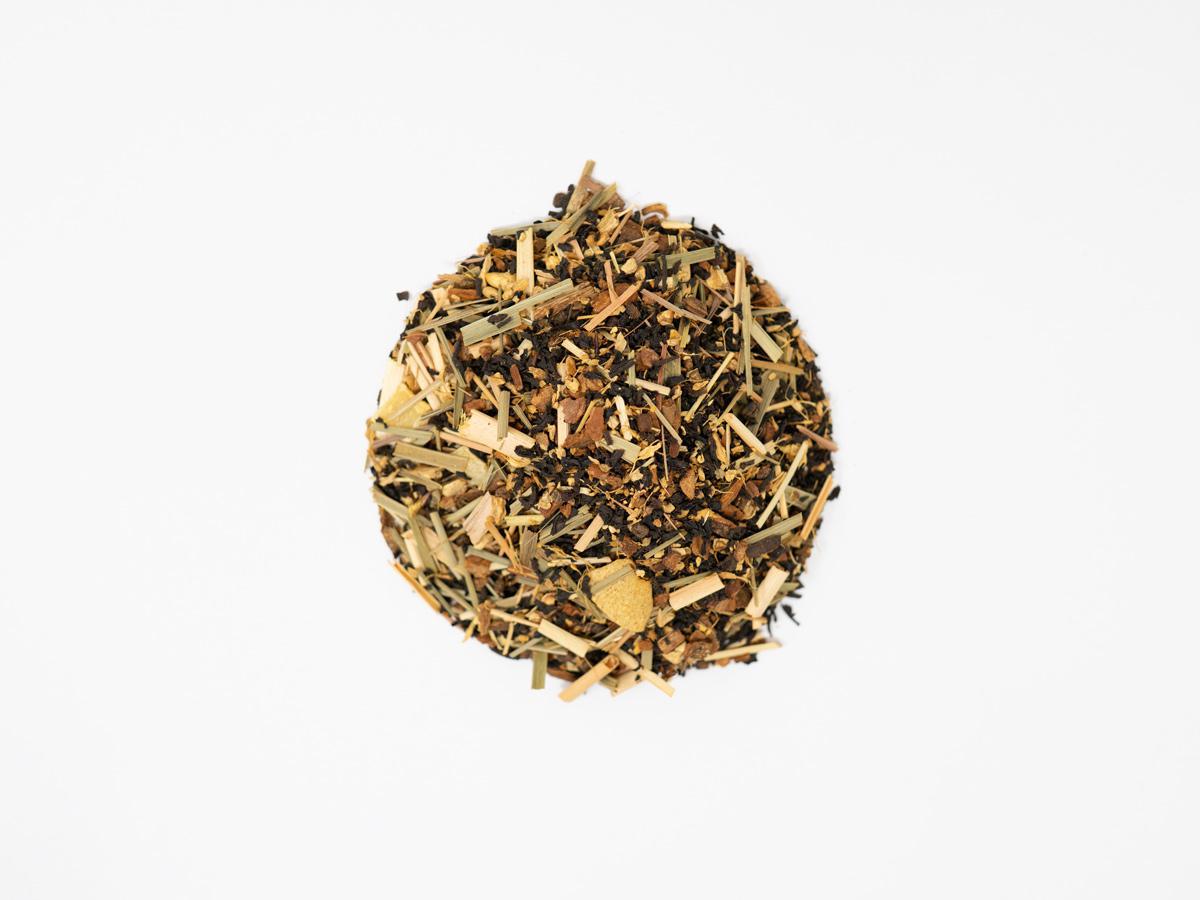
From $ 8.25
learn the fundamentals of tea

Black Tea 101 | History, Processing, and Health Benefits
Hot. Iced. Sweetened. Unsweetened. You may think you know it. You may have been drinking it your whole life.
But there are intricacies about black tea that are fairly unknown and truly staggering. It has started wars, been used as currency, and is the most popular type of tea in the world. But there’s more to this tea than banknotes and bloodshed and bottom lines. There’s history and processing and health benefits and more!
Read moreabout Black Tea 101 | History, Processing, and Health Benefits

Tea 101 | A Brief Overview of the Tea Plant
It’s started wars, been used as currency, and–aside from water–it is the number one most consumed beverage in the world. What is it? Tea, of course! Tea may seem simple at first. It is, after all, just steeping leaves in...

China | Tea's Birthplace and Top Producer
Of all the tea origin stories, the history and evolution of tea in China is the most influential. Tea cultivation and consumption began here, making tea a deeply embedded part of Chinese culture since before the third century. Originally, monks...

Egypt | Historical and Cultural Impact of Tea
The art of drinking tea has significantly influenced many different regions and cultures for centuries. We have learned about the first discovery of tea in China and its migration through Europe and India. Now, this beloved beverage is consumed...
Read moreabout Egypt | Historical and Cultural Impact of Tea

Fruit Tea 101: History & Benefits
Fruit tea, served hot or cold, is naturally sweet and deliciously refreshing. But what exactly are we drinking when we drink fruit tea? Well, for starters, it may surprise you to hear that fruit tea is not technically ‘tea’. Tea...

India | A Top Producer of Our Favorite Teas
The History of Tea in India: How They Became a Top Producer of Our Favorite Teas India and China are the two countries that contend for the title of “World’s Largest Tea Producer,” but their competition is a relatively recent...