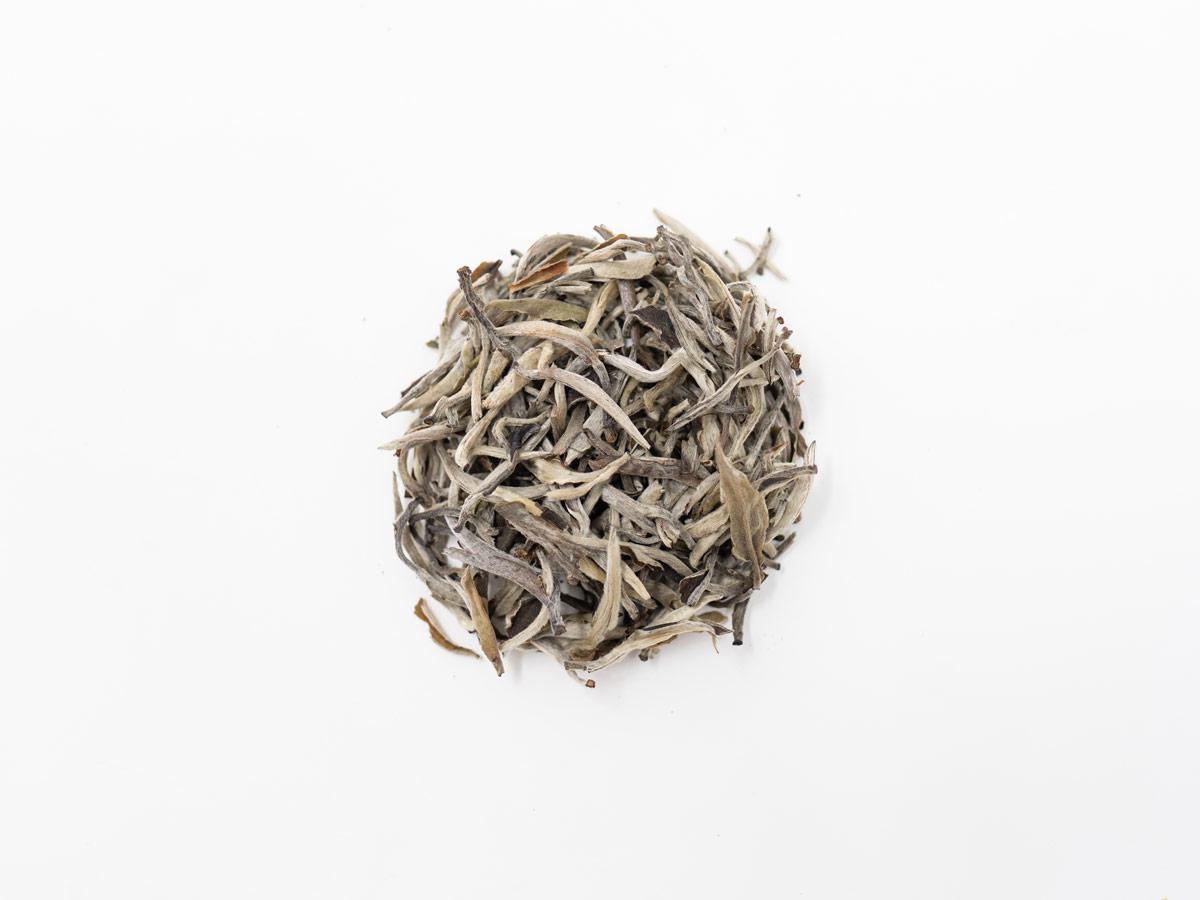

Not every tea has an intriguing nickname like Iron Goddess of Mercy.
But Ti Kuan Yin tea isn’t like every other tea. Perhaps the most well-known of all the oolong teas, Ti Kuan Yin offers more than a delicious brewed beverage; this tea has soul.
If you’ve tasted Ti Kuan Yin and wondered why it feels more complex than other oolongs, the answer lies in both its legend and its craft.
To understand the nuances of this special brew, we must first start with the legend of its origin.
Origin and History
While there are a couple of legends that trace the origin of this tea, our favorite is that of a poor Chinese farmer named Wei.
Every day, Wei–a poor, kind farmer–would pass a rundown temple with an iron statue of Kuan Yin, the compassionate Buddhist deity, in it. Though he couldn’t afford to repair the temple, he began to lovingly tend to it, cleaning it, and burning incense in it regularly.
One night, Kuan Yin (also spelled “Guan Yin”) appeared to him in a dream and told him to look for a treasure behind the temple as a reward. Upon searching, Wei found a seedling tea bush which he cultivated and named Kuan Yin after the goddess, sharing it with all around him.
Historically, this tea rose to prominence in the mid-18th century, especially in South China regions. Today, it’s cultivated primarily in the Anxi county of the Fujian Province, but Taiwan has also become known for its Ti Kuan Yin, where centuries ago Fujianese migrants planted fields with this cultivar.
However it got here, Ti Kuan Yin’s complexity makes it a stand-out tea. And those flavors come from its careful, complicated, and time-consuming processing.
Processing and Oxidation
To understand what makes Ti Kuan Yin so distinctive, it helps to look at how it’s made.
While black teas are fully oxidized and green teas are barely oxidized at all, oolong teas fall somewhere in between. Within the oolong category, however, oxidation levels can vary widely — and Ti Kuan Yin sits right in that nuanced middle ground.
Ti Kuan Yin is typically plucked later in the season than many other teas, when the leaves have reached a greater level of maturity. After harvesting, the leaves are laid out to wither, a process that reduces moisture and begins flavor development.
Withering happens in two stages: first outdoors under the sun, then indoors to cool. This process can take anywhere from six to ten hours. During this time, the leaves are gently tossed several times, bruising their edges and encouraging oxidation to begin.
Once the desired level of oxidation is reached, the leaves are fired — traditionally in a wok or over an open flame — to stop the process. While still warm, they are then rolled into tight ball shapes, which helps release essential oils and develop flavor.
Finally, the leaves are baked and roasted, lowering their moisture content to around six percent and adding depth and complexity.
Like shepherds carefully tending a flock, Ti Kuan Yin’s farmers guide each step with patience and precision, shaping the tea until it reaches its full expression. This careful handling is why Ti Kuan Yin never tastes rushed or one-dimensional but instead tastes of time, tradition, and careful attention.
But while many drink this tea for its unique flavor alone, Ti Kuan Yin is also known for its health benefits.
Health Benefits
Oolong teas in general have been praised for their health benefits.
Studies have suggested that its antioxidants might strengthen teeth and bones, promote healthy skin, and possibly even be associated with lowering the risk for certain cancers, strokes, and heart disease.
Oolong teas for centuries have also been imbibed for their ability to help with digestion, relieve headaches, and support a cleansing effect on the body. Not only that, its caffeine content helps with mental alertness.
But even if you aren’t concerned with its health benefits, Ti Kuan Yin has plenty to offer in taste alone.
Tasting Notes and Brew Method
Brewing Ti Kuan Yin is an experience for all your senses, as the tightly rolled leaves unfurl beautifully, producing a golden clean liquor with a lightly floral aroma. As you sip it, pay attention to the mouthfeel — that buttery texture is a hallmark of a well-made Ti Kuan Yin.
Depending on the roasting time and style, Ti Kuan Yin tea varies in its tasting notes.
If very lightly roasted, notes will lean more floral or vegetal. If well-roasted, nuttier and more fruity notes will emerge.
The Ti Kuan Yin tea we’ve carried has had notes of toasted walnut and tender collard greens alongside a lovely, lingering floral aroma and gentle astringency.
Because of the variety, it’s best to consult the sourcing tea company for exact brew methods, but here is our general brew recipe for Ti Kuan Yin tea.
Brewing Recipe:
-
Water Temperature: 195 degrees Fahrenheit (91 degrees Celsius)
-
Water Quality: Best with Spring Water
-
Amount of Leaf (per 6 fl oz water): 1 heaping tsp. (2.5 grams)
-
Steep Time: 2-3 minutes
-
Number of Infusions: 3-6 depending upon brewing method
One of the greatest benefits of Ti Kuan Yin is its ability to re-steep. In fact, multiple infusions yield different flavor notes. If you enjoy experimenting, try slightly increasing your steep time with each infusion and see how the flavors evolve.
Sipping a cup of Ti Kuan Yin tea is a meditative experience. It is light and refreshing, smooth and balanced, and its pleasant aftertaste will linger on your tongue long after the last sip is done.
If you haven’t had this experience yet, we encourage you to order some of our Ti Kuan Yin tea today and taste what happens when legend, tradition, and taste combine.