

Pu-erh, like all true teas, comes from the Camellia sinensis plant — but it’s far from your average black tea. Unlike traditional black teas, which are simply oxidized and dried, Pu-erh undergoes a fascinating process of microbial fermentation — unlocking flavors that deepen and evolve with age. Before we dive into how it’s made, let’s take a look back at its ancient roots.
History of Pu-Erh Tea
Pu-erh tea originated in Yunnan Province, China, as early as 225 BC, but it didn’t rise to prominence until much later — during the Han, Tang, Ming, and Qing dynasties. During this time, tea was transported via mules and horses in long caravans over established routes on the Ancient Tea Horse Road. Demand increased for a tea that did not spoil over these long journeys. Enter Pu-erh. Fermenting black tea leaves not only preserved them for travel — it also enhanced their flavor as they aged! Thus, Pu-erh became known in China–as it is today–as the original black or ‘dark’ tea. What we call ‘black’ tea here, the Chinese actually call 'red tea' for its reddish hue. They reserve the name 'black' or 'dark' tea exclusively for Pu-erh.
Pu-erh Tea Processing
Pu-erh tea hails from the Yunnan province in China with its ideal climate of high altitude and misty, humid conditions. It is made from a larger leaf variety of the Camellia sinensis plant called the Dayeh. Dayeh plants come from very old tea trees that are between 500-1000 years old, most of which are harvested by indigenous people.
Though technically a type of black tea, Pu-erh is unlike any other — thanks to its unique fermentation process. Most black tea leaves are processed through four main steps: withering, rolling, oxidizing, and drying. First, the leaves are withered. They are spread out for several hours to begin softening the leaves and removing their moisture. Once the leaves are softened, they are ready to be rolled. Whether rolled by hand or machine (or processed via CTC — crush, tear, curl), this step breaks down the leaf structure, releasing juices and enzymes that are essential to developing the tea’s flavor during oxidation. They are then exposed to the open air (oxidized) where these enzymes react with oxygen to produce different flavor compounds. Depending on what kind of tea is being processed (white, green, black), there is more or less time allowed for oxidation. Finally, the leaves are dried by exposing them to heat. This stops the oxidation process and the black tea is finished!
Here’s the key difference: black tea develops its flavor through a chemical reaction, while Pu-erh’s flavor comes from microbial fermentation! See, in black tea, the heat from the finishing process removes the remaining moisture in the leaves and kills any microorganisms. But in Pu-erh tea, after the leaves have been withered, they go through a brief steaming or heating step called Sha Qing or Kill-Green. Here, just enough heat is applied to stop the enzymatic oxidation process, but it’s not high enough or applied long enough to remove all the moisture or kill all the microbes. After Sha Qing, the leaves are rolled and dried in the sun, but the microorganisms and moisture that remain in the leaves work together to begin fermentation. This process not only prevents spoilage — it also deepens the tea’s flavor over time.
To get even deeper into the world of Pu-erh, there are two different kinds of Pu-erh processing: Raw and Ripe. Raw Pu-erh is the process described above. But in the Ripe process, after drying in the sun, the leaves are then “wet-piled”: piled, dampened, covered, and monitored for up to 60 days. This accelerates the fermentation process and introduces even more microbes into the mix.
The key difference between traditional black tea and Pu-erh lies in fermentation. And while some people might use fermentation and oxidation interchangeably, they are actually two different processes. Oxidation is the process of exposing tea leaves to oxygen which causes them to become darker. Fermentation is the process of introducing microorganisms into the aging process of leaves.
Health Benefits of Pu-erh tea
Because of its unique processing, Pu-erh also has unique health benefits. The extra fermentation and oxidation create an environment where antioxidants increase to higher levels than any other tea. These antioxidants can help with overall digestion, detox, and may even help the health of your skin, according to some studies. Some moisturizer companies include it as an ingredient. But the benefits don’t just stop there. Other studies suggest that Pu-erh may help with blood circulation, blood pressure, insulin resistance, and improving your metabolism.
Pu-erh is like the wine of tea. Unlike other teas, Pu-erg doesn’t lose its flavor over time; it only gets better! Like a fine wine, as Pu-erh ages, its flavors mellow and grow in complexity and richness. In addition to the depth of flavor Pu-erh brings to the table, it also brings potential health benefits, making this tea a top contender not just for the ancient world but for ours as well!

keep reading tea articles

Tea has been a cultural staple for so many parts of the world throughout history. It has played roles in rituals, fueled revolutions, been covered in literature, inspired parties and celebrations, and even had museums dedicated to it. There is...

One of the things that makes tea so unique compared to other agricultural commodities is its rich history. From its beginnings in ancient China to its modern enjoyment all around the world, tea has become a centerpiece for many cultural...

When Two World Collide | The Delicious Result of Combining Tea & Coffee
In the past, we tried and shared some trending tea and coffee recipes. We tried sparkling up some cold brew, mixed in some lemonade with cold brew, made a sherbet tea float, and others. Now that fall is here, I...
Read moreabout When Two World Collide | The Delicious Result of Combining Tea & Coffee

How to Host the Best Summer Tea Party
This guide was inspired by our recent article, The History of Tea Parties. Tea parties have been popular for hundreds of years and are a fun way to celebrate things like graduations, engagements, bridal showers, baby showers, retirements, new relationships,...

Sustainability in the Tea Industry
Happy Earth Day! Here at Hackberry, we appreciate and care for our planet every day. To share our love for the Earth with our customers, we would like to discuss the environmental impact of the tea industry and the things...

Tea and herbal ingredients have been used to create colorful dyes for thousands of years. With initial roots in ancient China, the art of dyeing with tea quickly became a worldwide handicraft. Today, tea is still used as a natural...
shop these recommended teas
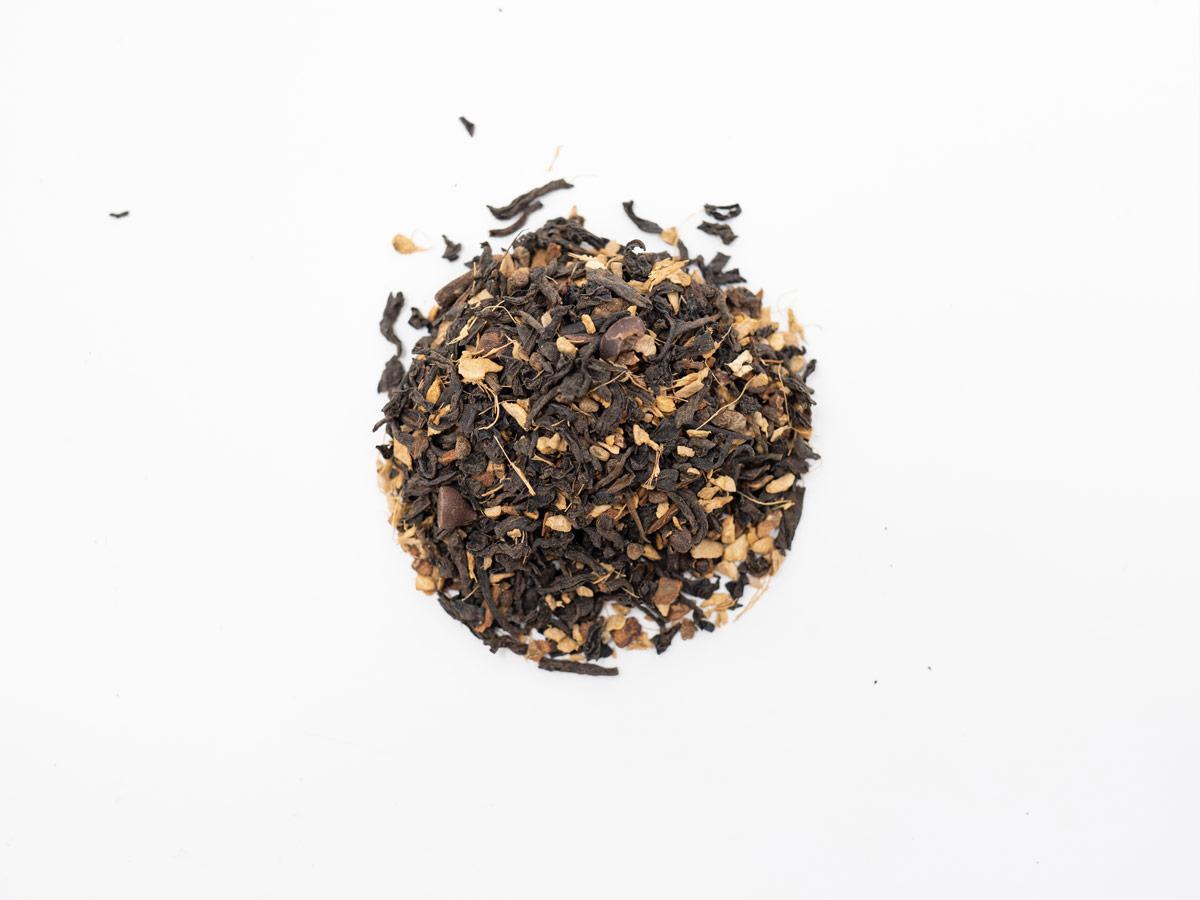
From $ 8.95
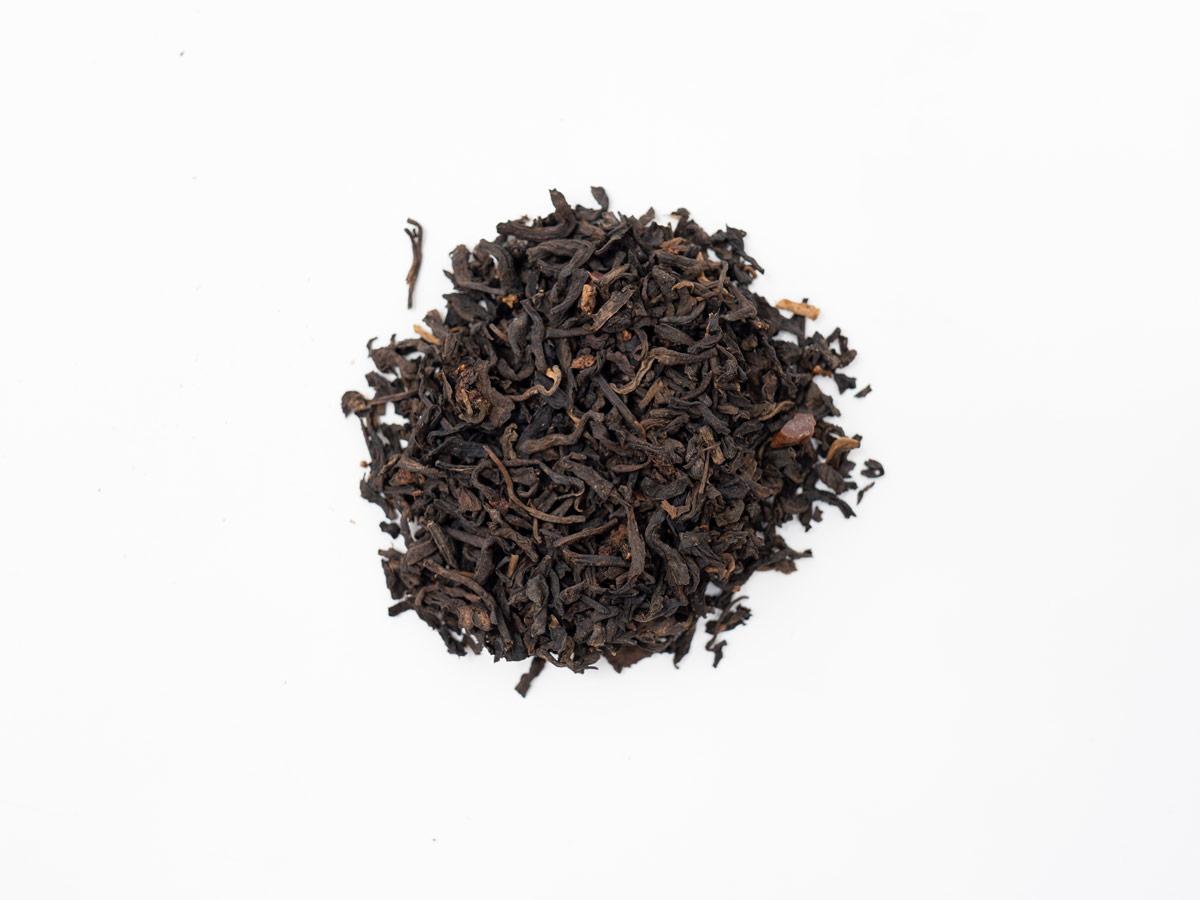
From $ 8.95
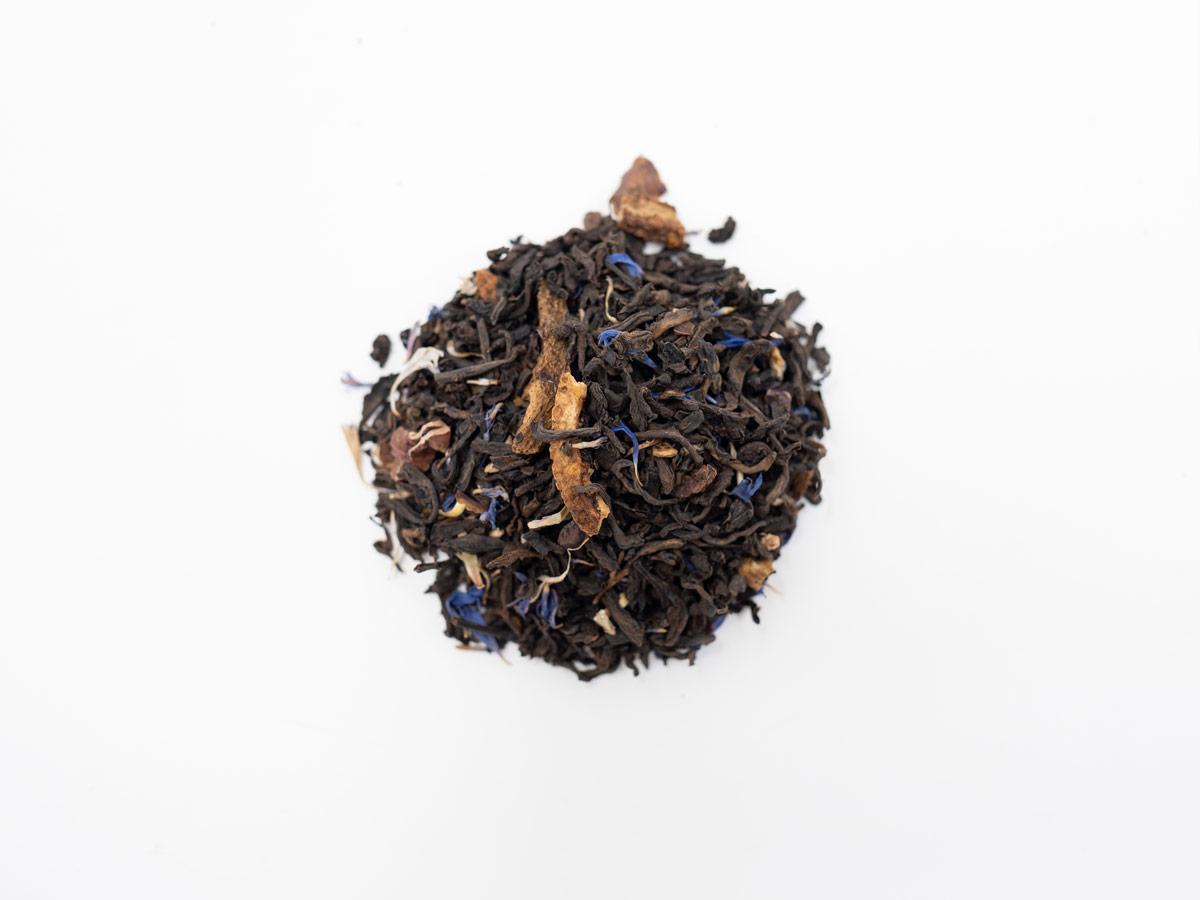
From $ 9.75
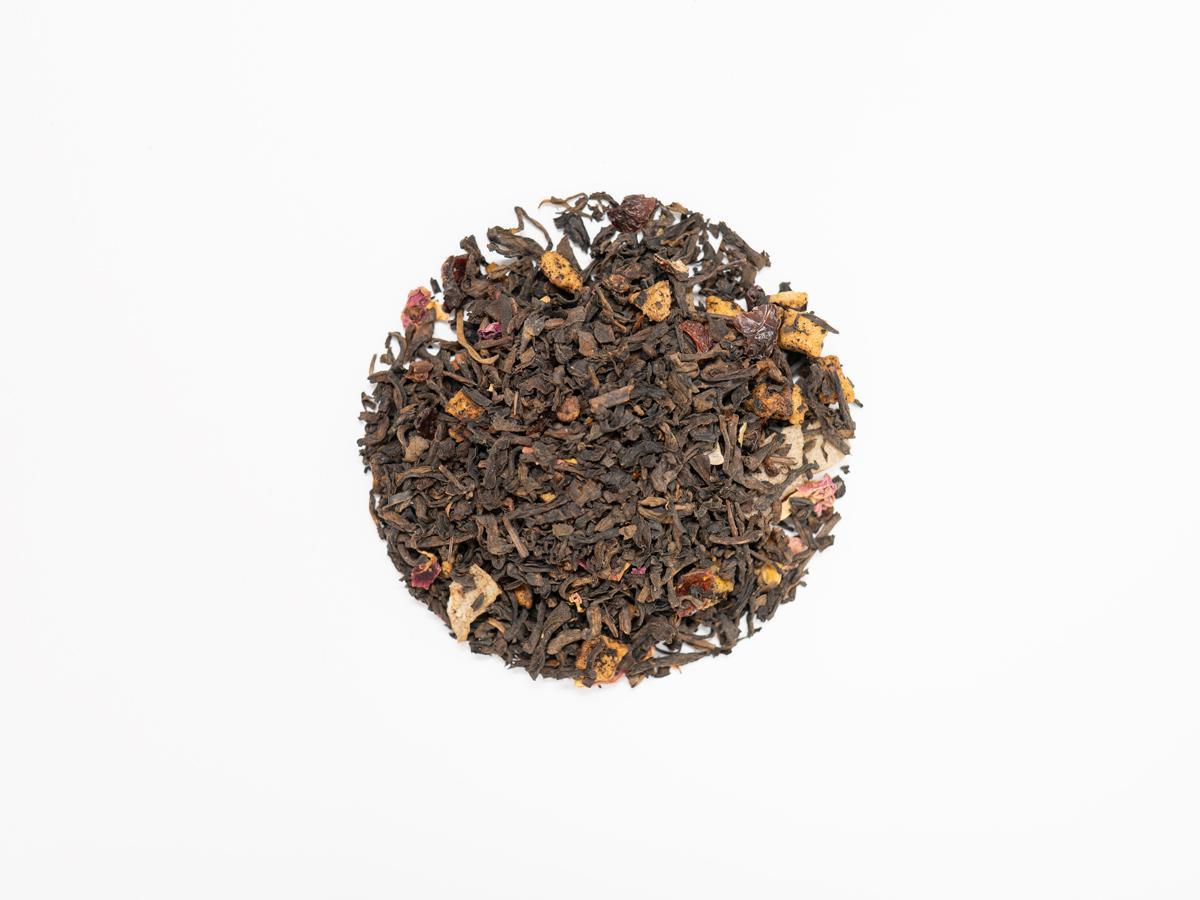
From $ 9.75
From $ 10.25
learn the fundamentals of tea

Black Tea 101 | History, Processing, and Health Benefits
Hot. Iced. Sweetened. Unsweetened. You may think you know it. You may have been drinking it your whole life.
But there are intricacies about black tea that are fairly unknown and truly staggering. It has started wars, been used as currency, and is the most popular type of tea in the world. But there’s more to this tea than banknotes and bloodshed and bottom lines. There’s history and processing and health benefits and more!
Read moreabout Black Tea 101 | History, Processing, and Health Benefits

Tea 101 | A Brief Overview of the Tea Plant
It’s started wars, been used as currency, and–aside from water–it is the number one most consumed beverage in the world. What is it? Tea, of course! Tea may seem simple at first. It is, after all, just steeping leaves in...

China | Tea's Birthplace and Top Producer
Of all the tea origin stories, the history and evolution of tea in China is the most influential. Tea cultivation and consumption began here, making tea a deeply embedded part of Chinese culture since before the third century. Originally, monks...

Egypt | Historical and Cultural Impact of Tea
The art of drinking tea has significantly influenced many different regions and cultures for centuries. We have learned about the first discovery of tea in China and its migration through Europe and India. Now, this beloved beverage is consumed...
Read moreabout Egypt | Historical and Cultural Impact of Tea

Fruit Tea 101: History & Benefits
Fruit tea, served hot or cold, is naturally sweet and deliciously refreshing. But what exactly are we drinking when we drink fruit tea? Well, for starters, it may surprise you to hear that fruit tea is not technically ‘tea’. Tea...

India | A Top Producer of Our Favorite Teas
The History of Tea in India: How They Became a Top Producer of Our Favorite Teas India and China are the two countries that contend for the title of “World’s Largest Tea Producer,” but their competition is a relatively recent...